MW 318.3 Da, Purity >95%. Potent cell-permeable GSK-3β inhibitor (IC50 = 30 nM). Induces stem cell neurogenesis in vitro.
View Alternative Names
GSK-3 beta, GSK3B_HUMAN, GSK3beta isoform, Glycogen synthase kinase-3 beta, Serine/threonine-protein kinase GSK3B
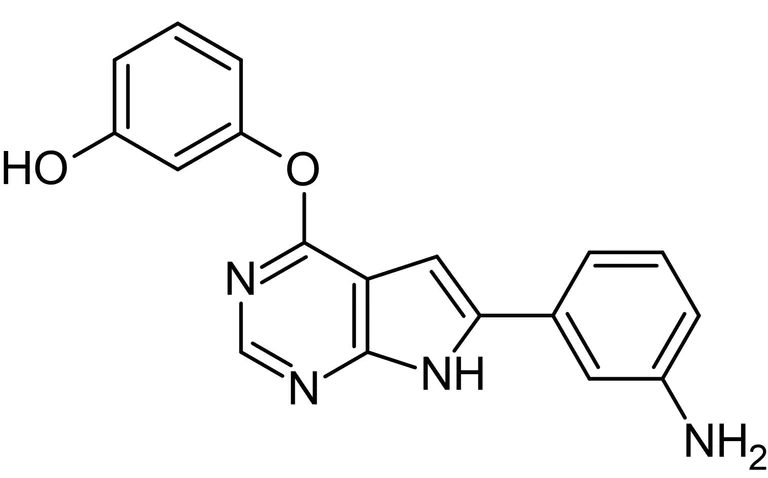
- Chemical Structure
Lab
Chemical Structure - TWS119, GSK-3beta inhibitor (AB142075)
2D chemical structure image of ab142075, TWS119, GSK-3beta inhibitor
Complementary Products
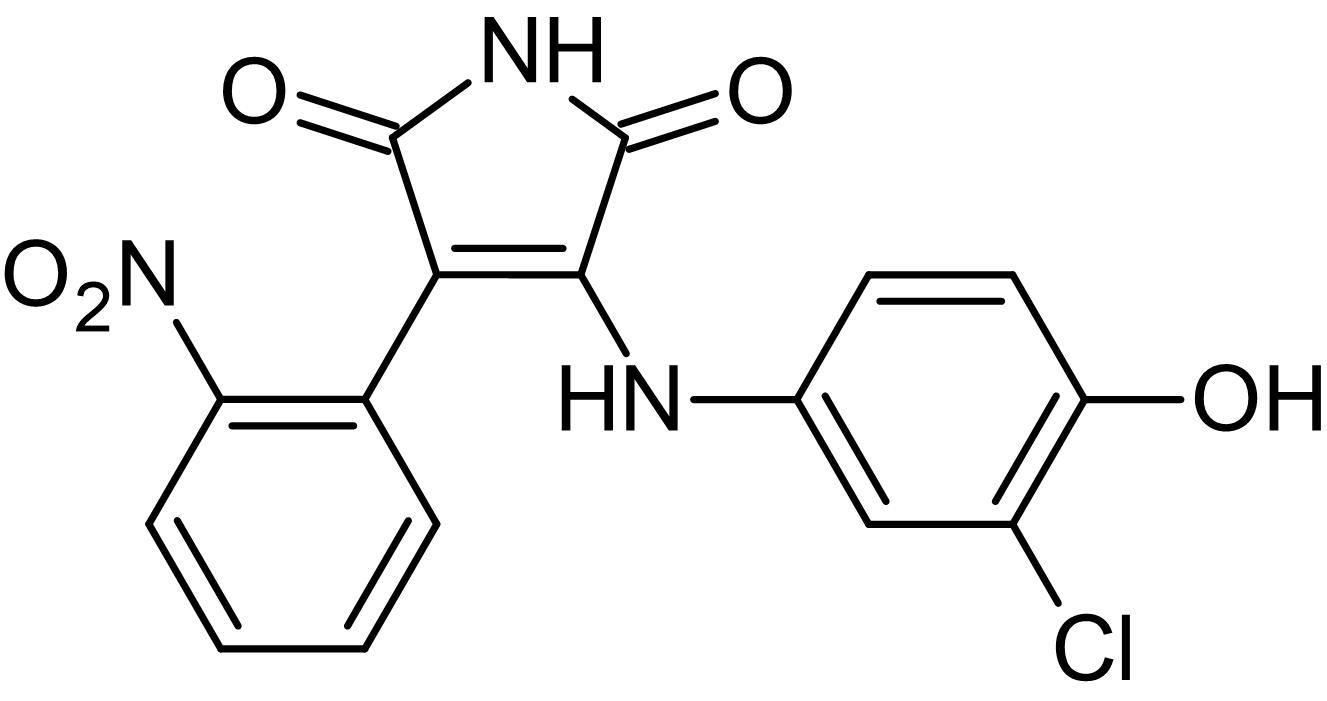
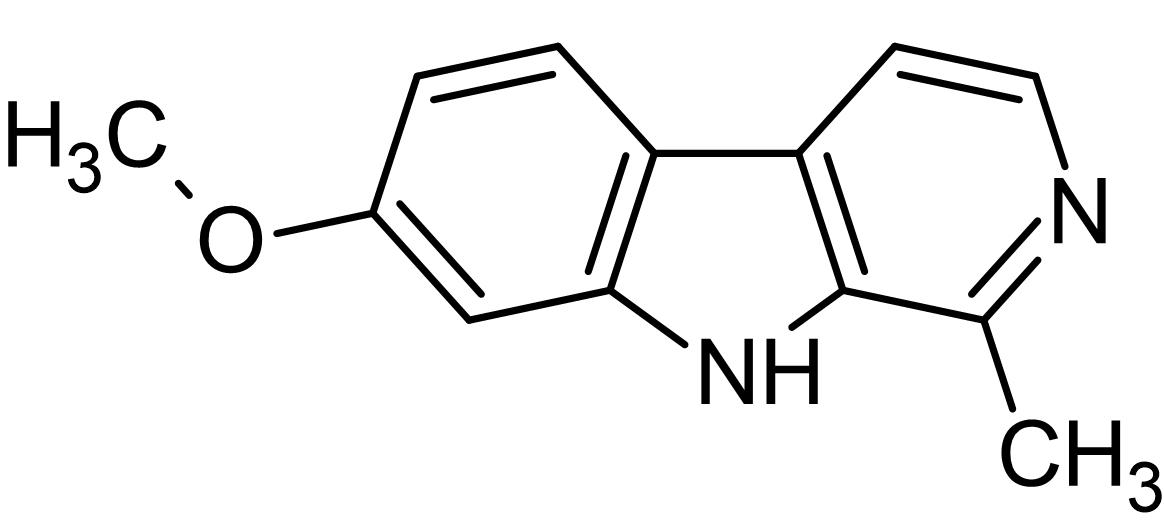
Primary Antibodies
AB185141
Anti-GSK3 beta + GSK3 alpha antibody [EPR18814-102]
20ul selling size|RabMAb|Recombinant|KO Validated
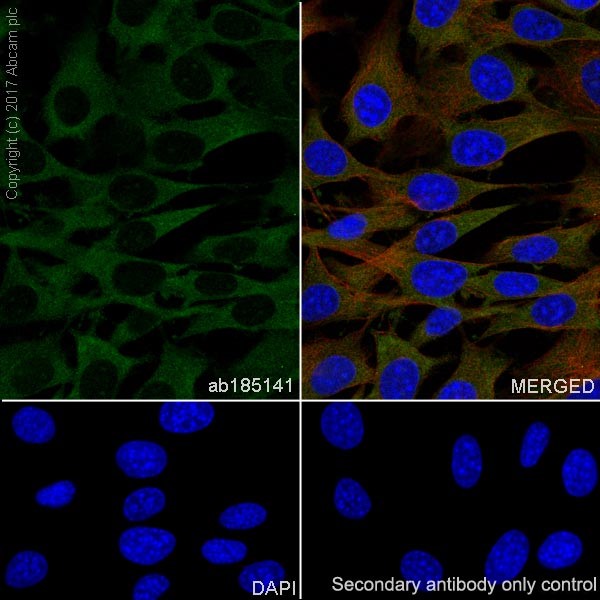
- 0
- 0
Product details
Properties and storage information
Shipped at conditions
Appropriate long-term storage conditions
Storage information
Handling instructions
Need more advice on solubility, usage and handling? Please visit our our product support page for more details.
|
Wherever possible, you should prepare and use solutions on the same day. However, if you need to make up stock solutions in advance, we recommend that you store the solution as aliquots in tightly sealed vials at -20°C. Generally, these will be useable for up to one month. Before use, and prior to opening the vial we recommend that you allow your product to equilibrate to room temperature for at least 1 hour.
|
Refer to SDS for further information.
Supplementary information
This supplementary information is collated from multiple sources and compiled automatically.
Biological function summary
As an important regulatory protein GSK3 beta plays a role in multiple cellular functions including metabolism cell cycle and cell signaling. It often interacts with components in signaling complexes and modulates the activity of these complexes involving phosphorylation. It is involved in the regulation of transcription factors such as c-Myc and β-catenin influencing cell fate and survival. This ability to modulate diverse functions highlights GSK3 beta's importance in cellular regulation.
Pathways
GSK3 beta participates in significant signaling pathways such as the Wnt/β-catenin and insulin signaling pathways. In the Wnt pathway GSK3 beta phosphorylates β-catenin marking it for degradation which regulates gene transcription. In insulin signaling it interacts with proteins like AKT to mediate glycogen synthesis. These interactions highlight its role in maintaining cellular homeostasis and energy balance.
Product promise
Please note: All products are 'FOR RESEARCH USE ONLY. NOT FOR USE IN DIAGNOSTIC OR THERAPEUTIC PROCEDURES'.
For licensing inquiries, please contact partnerships@abcam.com