Alpha 1 Acid Glycoprotein overexpression 293T lysate (whole cell)
Be the first to review this product! Submit a review
|
(0 Publication)
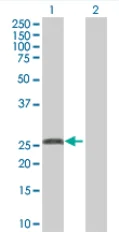
- WB
Unknown
Western blot - Alpha 1 Acid Glycoprotein overexpression 293T lysate (whole cell) (AB94216)
false
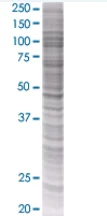
- SDS-PAGE
Unknown
SDS-PAGE - Alpha 1 Acid Glycoprotein overexpression 293T lysate (whole cell) (AB94216)
ab94216 at 15μg/lane on an SDS-PAGE gel.
Complementary Products
Primary Antibodies
AB216462
Anti-Lipocalin-2 / NGAL antibody [EPR21092]
RabMAb|Recombinant|20ul selling size
- 0
- 0
Primary Antibodies
AB183685
RabMAb|Recombinant|Lab Essentials|20ul selling size

- 5
- 21
Primary Antibodies
AB134042
Anti-Alpha 1 Acid Glycoprotein/AGP antibody [EPR5605]
RabMAb|Recombinant|Trial Size
- 0
- 0
Reactivity data
Product details
Properties and storage information
Shipped at conditions
Appropriate short-term storage conditions
Appropriate long-term storage conditions
Aliquoting information
Storage information
Supplementary information
This supplementary information is collated from multiple sources and compiled automatically.
Biological function summary
AGP plays a role in modulating the immune response and maintaining homeostasis. As an acute-phase protein its levels rise significantly during inflammation infection and trauma where it acts to modulate the immune system. AGP does not exist as part of a larger protein complex but interacts with plasma lipoproteins and other glycoproteins aiding in its function of maintaining vascular integrity during acute-phase reactions.
Pathways
Alpha 1 Glycoprotein serves as an important component in the inflammatory response and drug-binding pathways. In the inflammatory pathway AGP interacts with cytokines and acute-phase reactants adjusting the body’s inflammatory processes. It is also involved in the binding and distribution of drugs interacting with albumin and other transport proteins to influence the pharmacokinetics of many medications.
Cell culture
Product promise
Please note: All products are 'FOR RESEARCH USE ONLY. NOT FOR USE IN DIAGNOSTIC OR THERAPEUTIC PROCEDURES'.
For licensing inquiries, please contact partnerships@abcam.com