Antithrombin III overexpression 293T lysate (whole cell)
Be the first to review this product! Submit a review
|
(0 Publication)
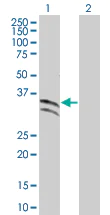
- WB
Unknown
Western blot - Antithrombin III overexpression 293T lysate (whole cell) (AB94043)
false
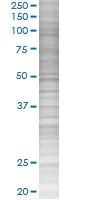
- SDS-PAGE
Unknown
SDS-PAGE - Antithrombin III overexpression 293T lysate (whole cell) (AB94043)
ab94043 at 15µg/lane on an SDS-PAGE gel.
Complementary Products

Proteins & Peptides
AB234969
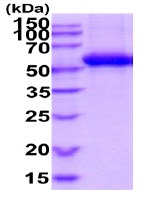
Recombinant human Antithrombin III/ATIII protein (Active) (His tag C-Terminus)
Bioactive
- 0
- 0
Primary Antibodies
AB126598
Anti-Antithrombin III/ATIII antibody [EP5372]
20ul selling size|RabMAb|Recombinant

- 0
- 0

Reactivity data
Product details
Properties and storage information
Shipped at conditions
Appropriate short-term storage conditions
Appropriate long-term storage conditions
Aliquoting information
Storage information
Supplementary information
This supplementary information is collated from multiple sources and compiled automatically.
Biological function summary
Antithrombin III plays a critical role in blood clotting by specifically inhibiting clotting factors. It forms complexes with its target enzymes leading to their inactivation and preventing excessive thrombin production. The protein does not form part of larger complexes but acts independently to exert its anticoagulant function. The normal range for antithrombin 3 levels in plasma is important for ensuring a balanced blood coagulation system. Its function helps prevent inappropriate clot formation and ensures smooth blood flow through the circulatory system.
Pathways
Antithrombin III is integral to the coagulation cascade. It is primarily involved in the intrinsic and common coagulation pathways where it regulates thrombin and Factor Xa activity. This regulation prevents the unchecked formation of fibrin clots which can lead to thrombosis. ATIII works closely with proteins like heparin cofactor II and protein C which also modulate the coagulation pathway emphasizing its role in maintaining hemostatic balance. Its function is essential in controlling the coagulation cascade and ensuring that it proceeds appropriately without leading to pathology.
Cell culture
Product promise
Please note: All products are 'FOR RESEARCH USE ONLY. NOT FOR USE IN DIAGNOSTIC OR THERAPEUTIC PROCEDURES'.
For licensing inquiries, please contact partnerships@abcam.com