DMAP1 overexpression 293T lysate (whole cell)
Be the first to review this product! Submit a review
|
(0 Publication)
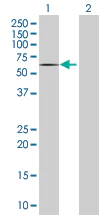
- WB
Unknown
Western blot - DMAP1 overexpression 293T lysate (whole cell) (AB94262)
false
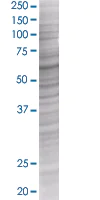
- SDS-PAGE
Unknown
SDS-PAGE - DMAP1 overexpression 293T lysate (whole cell) (AB94262)
ab94262 at 15µg/lane on an SDS-PAGE gel.
Complementary Products
Primary Antibodies
AB7291
Anti-alpha Tubulin antibody [DM1A] - Loading Control
BOND RX™ Validated

- 5
- 92
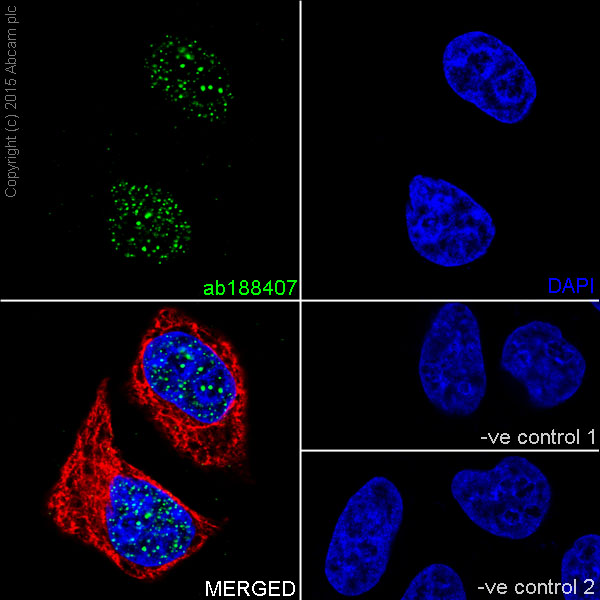
Primary Antibodies
AB52866
Anti-alpha Tubulin antibody [EP1332Y] - Loading Control
BOND RX™ Validated|RabMAb|Recombinant|Lab Essentials|20ul selling size|Trial Size

- 5
- 31

Reactivity data
Product details
Properties and storage information
Shipped at conditions
Appropriate short-term storage conditions
Appropriate long-term storage conditions
Aliquoting information
Storage information
Supplementary information
This supplementary information is collated from multiple sources and compiled automatically.
Biological function summary
DMAP1 participates in gene silencing and regulation through integration into the NuRD complex a critical multi-subunit complex involved in chromatin remodeling and deacetylation of histones. By modulating chromatin structure DMAP1 influences DNA accessibility and transcriptional activation or repression. This protein provides a scaffold for the recruitment of additional factors essential for transcriptional regulatory complexes further enhancing its role in maintaining cellular homeostasis.
Pathways
DMAP1 plays a significant role in the DNA damage response and repair pathways particularly through its interactions with proteins such as DNA methyltransferase 1 (DNMT1) and components of the NuRD complex. Through these interactions DMAP1 aids in the repair of damaged DNA and maintenance of genomic stability. This involvement highlights its connection to cellular processes like cell cycle control and development linking it to broader biological networks.
Cell culture
Product promise
Please note: All products are 'FOR RESEARCH USE ONLY. NOT FOR USE IN DIAGNOSTIC OR THERAPEUTIC PROCEDURES'.
For licensing inquiries, please contact partnerships@abcam.com