JavaScript is disabled in your browser. Please enable JavaScript to view this website.
AB94172

HDAC4 overexpression 293T lysate (whole cell)

Be the first to review this product! Submit a review

|

(0 Publication)
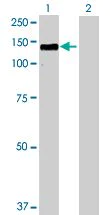
HDAC4 overexpression 293T lysate (whole cell) suitable for WB. View our extensive range of validated lysates from normal and diseased human, mouse and rat tissue.
2 Images
Western blot - HDAC4 overexpression 293T lysate (whole cell) (AB94172)
  • WB

Unknown

Western blot - HDAC4 overexpression 293T lysate (whole cell) (AB94172)

false
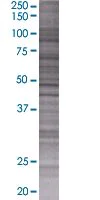
SDS-PAGE - HDAC4 overexpression 293T lysate (whole cell) (AB94172)
  • SDS-PAGE

Unknown

SDS-PAGE - HDAC4 overexpression 293T lysate (whole cell) (AB94172)

ab94172 at 15µg/lane on an SDS-PAGE gel.

Key facts

Cell type

HEK-293T

Species or organism

Human

Form

Liquid

form

Reactivity data

{ "title": "Reactivity Data", "filters": { "stats": ["", "Reactivity", "Dilution Info", "Notes"] }, "values": { "WB": { "reactivity":"TESTED_AND_REACTS", "dilution-info":"", "notes":"<p></p>" } } }

Product details

ab94172 is a 293T cell transfected lysate in which Human HDAC4 has been transiently over-expressed using a pCMV-HDAC4 plasmid. The lysate is provided in 1X Sample Buffer.

Properties and storage information

Shipped at conditions
Dry Ice
Appropriate short-term storage conditions
-20°C
Appropriate long-term storage conditions
-20°C
Aliquoting information
Upon delivery aliquot
Storage information
Avoid freeze / thaw cycle

Supplementary information

This supplementary information is collated from multiple sources and compiled automatically.

HDAC4 also known as Histone Deacetylase 4 functions in the regulation of gene expression through chromatin remodeling. This protein removes acetyl groups from histone proteins causing chromatin compaction and transcriptional repression. HDAC4 has a molecular weight of approximately 140 kDa. The protein is found in various tissues including brain heart and skeletal muscle and plays essential roles in various cellular processes. Alternate names for HDAC4 include KIAA0288 and HD4.
Biological function summary

The role of HDAC4 extends beyond chromatin remodeling as it serves as a critical regulator in several cellular functions. As part of a complex HDAC4 interacts with other proteins to control cell cycle differentiation and apoptosis. It cooperates with transcriptional repressors like MEF2 and RUNX2 influencing various signaling pathways. The protein's activity impacts neuronal survival muscle development and cardiac hypertrophy through its regulatory mechanisms.

Pathways

HDAC4 integrates into significant signaling networks notably the MAPK and calcium-calmodulin signaling pathways. Within the MAPK pathway HDAC4 associates with proteins like MEF2 impacting cellular growth and differentiation processes. In the calcium-calmodulin pathway HDAC4 affects gene transcription via its interaction with the phosphatase calcineurin linking intracellular calcium levels with transcriptional responses.

HDAC4 has associations with neurological disorders and cancer. Mutations and dysregulation in HDAC4 are linked to neuronal disorders such as Huntington's disease. In cancer HDAC4 interacts with other oncogenic proteins such as p53 influencing tumor progression and resistance to therapy. Consequently HDAC4 presents as a potential target for therapeutic intervention in these disease contexts.

Cell culture

Product protocols

Product promise

We are committed to supporting your work with high-quality reagents, and we're here for you every step of the way. In the unlikely event that one of our products does not perform as expected, you're protected by our Product Promise.
For full details, please see our Terms & Conditions

Please note: All products are 'FOR RESEARCH USE ONLY. NOT FOR USE IN DIAGNOSTIC OR THERAPEUTIC PROCEDURES'.

For licensing inquiries, please contact partnerships@abcam.com