Phospho-mTOR (S2448) and Total mTOR ELISA Kit
Be the first to review this product! Submit a review
|
(3 Publications )
- Colorimetric readout - works on any standard plate reader
- Semi quantitative: positive control included
- Measure numerous cell lysates at once
- sELISA
Supplier Data
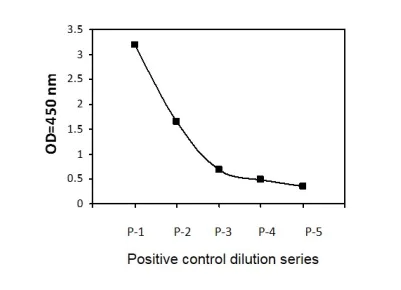
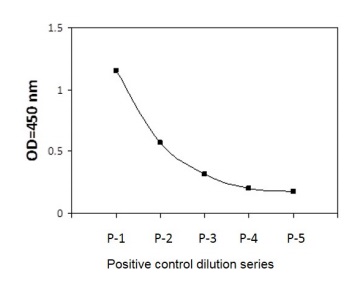
Sandwich ELISA - Phospho-mTOR (S2448) and Total mTOR ELISA Kit (AB279869)
Positive Control.
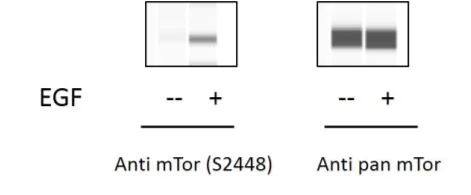
A431 cells were treated with recombinant human EGF at 37°C for 20 min.
Cells were solubilzed at 4 x 10⁷ cells/ml in Cell Lysate Buffer.
Serial dilutions of lysates were analyzed in this ELISA.
- sELISA
Supplier Data
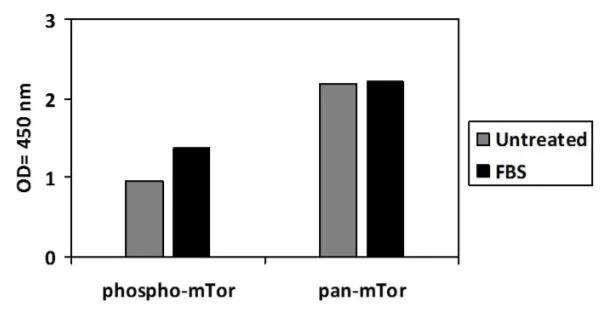
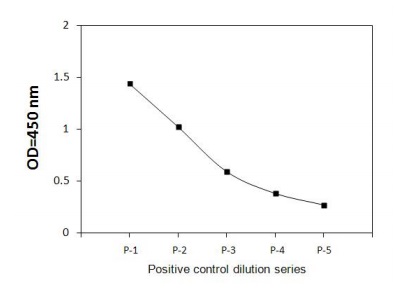
Sandwich ELISA - Phospho-mTOR (S2448) and Total mTOR ELISA Kit (AB279869)
HEK-293 cells treated/untreated with FBS. HEK-293 cells were untreated or treated with 20% FBS for 20 minutes.
- sELISA
Supplier Data
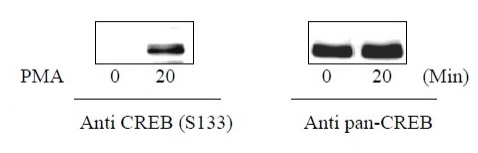
Sandwich ELISA - Phospho-mTOR (S2448) and Total mTOR ELISA Kit (AB279869)
HEK-293 cells treated/untreated with FBS. HEK-293 cells were untreated or treated with 20% FBS for 20 minutes.
Complementary Products
Reactivity data
Product details
Phospho-mTOR (S2448) and Total mTOR ELISA Kit (ab279869) is a very rapid, convenient, and sensitive assay kit that can monitor the activation or function of important biological pathways in human cell lysates. By determining phosphorylated mTOR protein in your experimental model system, you can verify pathway activation in your cell lysates. You can simultaneously measure numerous different cell lysates without spending excess time and effort in performing a Western Blotting analysis.
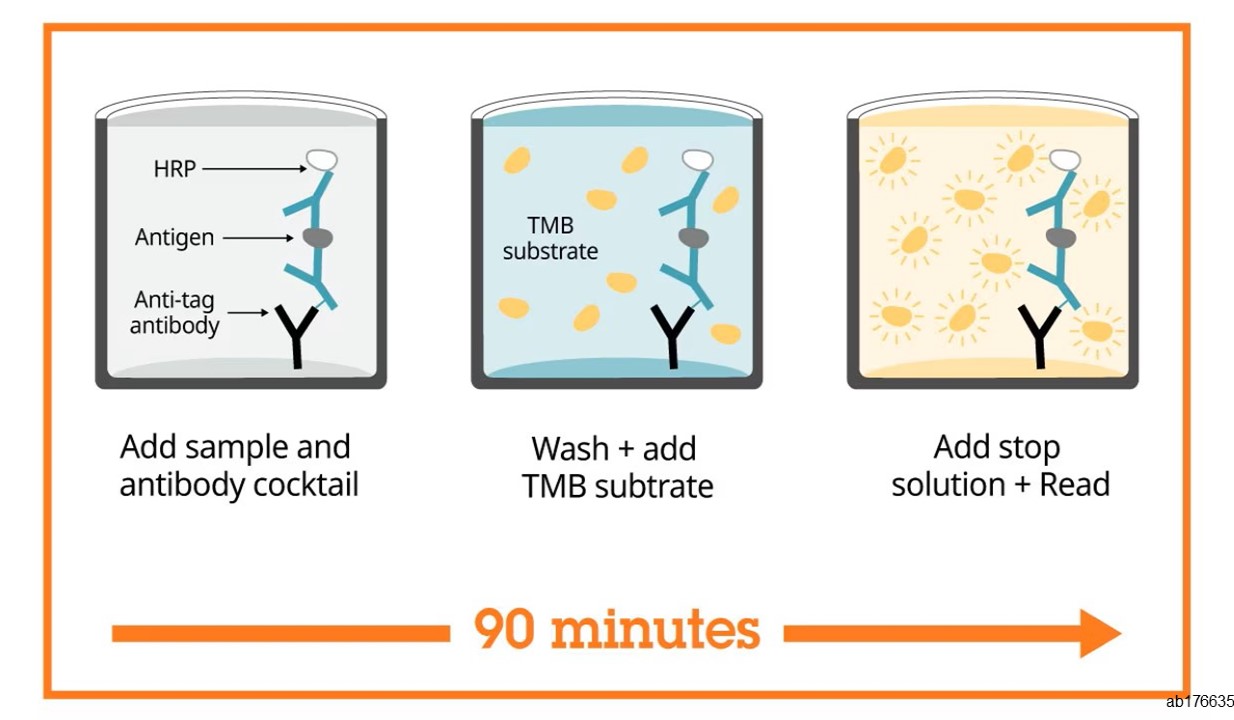
This Sandwich ELISA kit is an in vitro enzyme-linked immunosorbent assay for the measurement of human phospho-mTOR and total mTOR. An anti-pan mTOR antibody has been coated onto a 96-well plate. Samples are pipetted into the wells and mTOR present in a sample is bound to the wells by the immobilized antibody and the wells are washed. In select wells, rabbit anti-phospho mTOR (S2448) antibody is added to detect phosphorylated mTOR. In the remaining wells, biotinylated anti-pan-mTOR antibody is used to detect pan mTOR. After washing away unbound antibody, HRP-conjugated anti-rabbit IgG or HRP-conjugated Streptavidin is pipetted into the wells. The wells are again washed, a TMB substrate solution is added to the wells and color develops in proportion to the amount of mTOR (S2448) or pan mTOR bound. The Stop Solution changes the color from blue to yellow, and the intensity of the color is measured at 450 nm.
REACH authorisation
Abcam has not and does not intend to apply for the REACH Authorisation of customers' uses of products that contain European Authorisation list (Annex XIV) substances.
It is the responsibility of our customers to check the necessity of application of REACH Authorisation, and any other relevant authorisations, for their intended uses.
What's included?
Properties and storage information
Shipped at conditions
Appropriate short-term storage conditions
Appropriate long-term storage conditions
Storage information
Supplementary information
This supplementary information is collated from multiple sources and compiled automatically.
Biological function summary
MTOR integrates signals from nutrients growth factors and cellular energy status to maintain cellular homeostasis. It forms part of two distinct complexes mTORC1 and mTORC2 which differ in their component proteins and downstream effects. mTORC1 primarily responds to amino acids and regulates protein synthesis through phosphorylation of key substrates like S6K1. On the other hand mTORC2 is important for maintaining cytoskeletal integrity and cell survival highlighting the protein's importance in diverse cellular processes.
Pathways
MTOR plays a pivotal role in the PI3K/AKT/mTOR pathway which governs cell growth proliferation and survival. It also has implications in the regulation of the AMPK pathway which senses cellular energy levels. Through these pathways mTOR interacts with proteins such as AKT and TSC2. The phospho-mTOR specifically the S2448 phospho-mTOR serves as an important functional marker in these signaling cascades linking extracellular signals to downstream cellular responses.
Product protocols
- Visit the General protocols
- Visit the Troubleshooting
- Download websiteProtocolBooklet|en
Target data
Publications (3)
Recent publications for all applications. Explore the full list and refine your search
JDS communications 6:293-298 PubMed40458148
2025
Applications
Unspecified application
Species
Unspecified reactive species
Bioengineering & translational medicine 10:e10741 PubMed40385549
2025
Applications
Unspecified application
Species
Unspecified reactive species
Pharmaceuticals (Basel, Switzerland) 16: PubMed37895841
2023
Applications
Unspecified application
Species
Unspecified reactive species
Product promise
Please note: All products are 'FOR RESEARCH USE ONLY. NOT FOR USE IN DIAGNOSTIC OR THERAPEUTIC PROCEDURES'.
For licensing inquiries, please contact partnerships@abcam.com