Rabbit Polyclonal C16orf88 antibody. Suitable for IHC-P, WB, ICC/IF and reacts with Human samples. Cited in 3 publications. Immunogen corresponding to Recombinant Fragment Protein within Human KNOP1 aa 350 to C-terminus.
View Alternative Names
C16orf88, FAM191A, TSG118, KNOP1, Lysine-rich nucleolar protein 1, Protein FAM191A, Testis-specific gene 118 protein
- IHC-P
Unknown
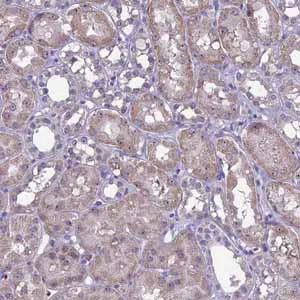
Immunohistochemistry (Formalin/PFA-fixed paraffin-embedded sections) - Anti-C16orf88 antibody (AB126512)
Immunohistochemical staining of Human kidney shows cytoplasmic positivity in tubular cells using ab126512
- ICC/IF
Unknown
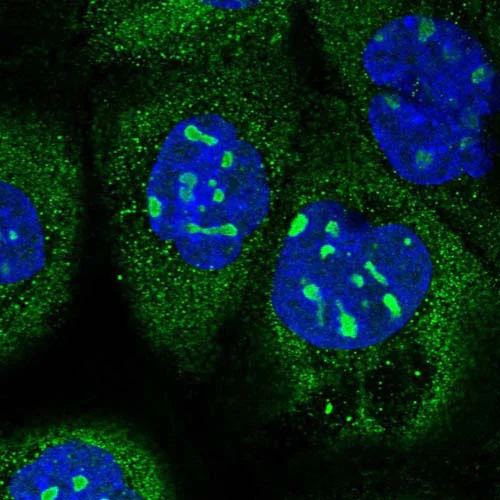
Immunocytochemistry/ Immunofluorescence - Anti-C16orf88 antibody (AB126512)
Immunofluorescent staining of Human cell line A-431 shows positivity in nucleoli and cytoplasm. Recommended concentration of ab126512 1-4 µg/ml. Cells treated with PFA/Triton X-100.
- IHC-P
Unknown
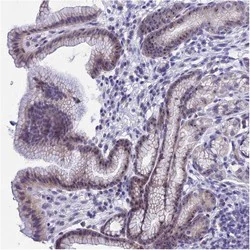
Immunohistochemistry (Formalin/PFA-fixed paraffin-embedded sections) - Anti-C16orf88 antibody (AB126512)
ab126512, at 1/50 dilution, staining C16orf88 in paraffin-embedded Human stomach by Immunohistochemistry.
- WB
Unknown
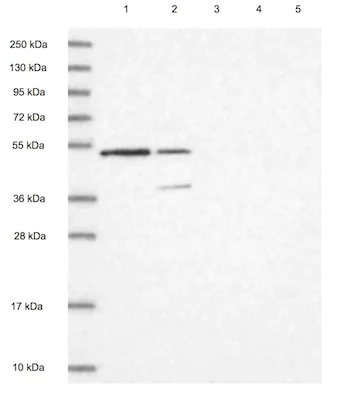
Western blot - Anti-C16orf88 antibody (AB126512)
All lanes:
Western blot - Anti-C16orf88 antibody (ab126512) at 1/250 dilution
Lane 1:
RT-4 lysate
Lane 2:
U-251 MG lysate
Lane 3:
Human Plasma lysate
Lane 4:
Human liver lysate
Lane 5:
Human tonsil lysate
Predicted band size: 52 kDa
false
Alternative Products
Complementary Products
Primary Antibodies
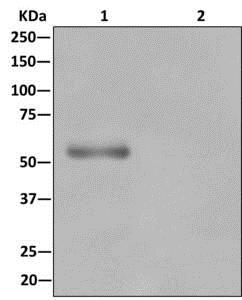
AB32571
RabMAb|Recombinant|KO Validated|20ul selling size
- 0
- 0
Primary Antibodies
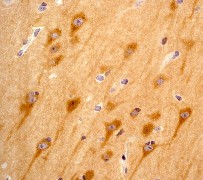
AB134147
BOND RX™ Validated|RabMAb|Recombinant|20ul selling size

- 2
- 1

Primary Antibodies
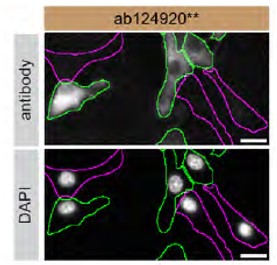
AB124920
Anti-Munc18-1 antibody [EPR4850]
KO Validated|RabMAb|Recombinant|Trial Size
- 4
- 1
Reactivity data
Properties and storage information
Form
Purification technique
Storage buffer
Shipped at conditions
Appropriate short-term storage conditions
Appropriate long-term storage conditions
Aliquoting information
Storage information
Supplementary information
This supplementary information is collated from multiple sources and compiled automatically.
Biological function summary
The protein influences cellular processes by contributing to the regulation of cell cycle or structural integrity. Current studies indicate that C16orf88 might form part of a multiprotein complex which supports its role in maintaining cellular organization or facilitating communication between signaling molecules. Although information remains limited C16orf88's expression pattern suggests it may affect cellular differentiation and developmental biology particularly in neural tissues.
Pathways
Existing evidence connects C16orf88 to neurological and reproductive pathways. It may join key components of MAPK/ERK signaling pathways and demonstrate interactions with proteins such as ERK1/2 which are known regulators of cell division and differentiation. Participation in these pathways positions C16orf88 as a contributor to signal transduction that affects overall physiological responses and developmental processes.
Product protocols
- Visit the General protocols
- Visit the Troubleshooting
Target data
Publications (3)
Recent publications for all applications. Explore the full list and refine your search
Cell reports. Medicine 6:101914 PubMed39809264
2025
Applications
Unspecified application
Species
Unspecified reactive species
Frontiers in immunology 14:1179742 PubMed37622116
2023
Applications
Unspecified application
Species
Unspecified reactive species
Frontiers in pharmacology 14:1192434 PubMed37521466
2023
Applications
Unspecified application
Species
Unspecified reactive species
Product promise
Please note: All products are 'FOR RESEARCH USE ONLY. NOT FOR USE IN DIAGNOSTIC OR THERAPEUTIC PROCEDURES'.
For licensing inquiries, please contact partnerships@abcam.com