Anti-CRABP1 antibody [EPR7905]
- RabMAb
- Recombinant
- What is this?
Be the first to review this product! Submit a review
|
(2 Publications )
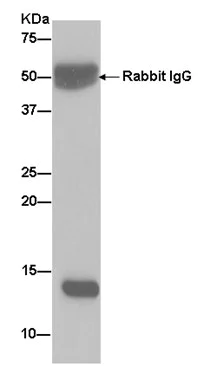
- IP
Supplier Data
Immunoprecipitation - Anti-CRABP1 antibody [EPR7905] (AB182573)
Western blot analysis of CRABP1 in immunoprecipitation pellets from Human Y79 lysate. ab182573 used at 1/50 dilution. Secondary antibody Goat Anti-Rabbit IgG, (H+L), Peroxidase conjugated at 1/1000.
All lanes:
Immunoprecipitation - Anti-CRABP1 antibody [EPR7905] (ab182573)
Predicted band size: 15 kDa
false
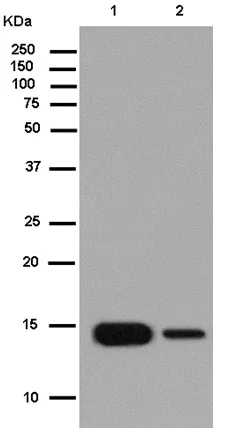
- WB
Supplier Data
Western blot - Anti-CRABP1 antibody [EPR7905] (AB182573)
All lanes:
Western blot - Anti-CRABP1 antibody [EPR7905] (ab182573) at 1/1000 dilution
Lane 1:
Y79 cell lysate at 10 µg
Lane 2:
MCF7 cell lysate at 10 µg
Secondary
All lanes:
Goat Anti-Rabbit IgG, (H+L), Peroxidase conjugated at 1/1000 dilution
Predicted band size: 15 kDa
false
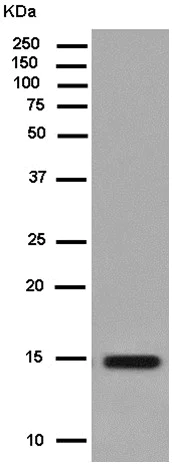
- WB
Supplier Data
Western blot - Anti-CRABP1 antibody [EPR7905] (AB182573)
All lanes:
Western blot - Anti-CRABP1 antibody [EPR7905] (ab182573) at 1/1000 dilution
All lanes:
Human skin lysate at 10 µg
Secondary
All lanes:
Anti-Rabbit IgG (HRP), specific to the non-reduced form of IgG at 1/1000 dilution
Predicted band size: 15 kDa
false
Related conjugates and formulations (1)
-
Anti-CRABP1 antibody [EPR7905] - BSA and Azide free
Alternative Products
Complementary Products
Primary Antibodies
AB129156
20ul selling size|RabMAb|Recombinant|Trial Size
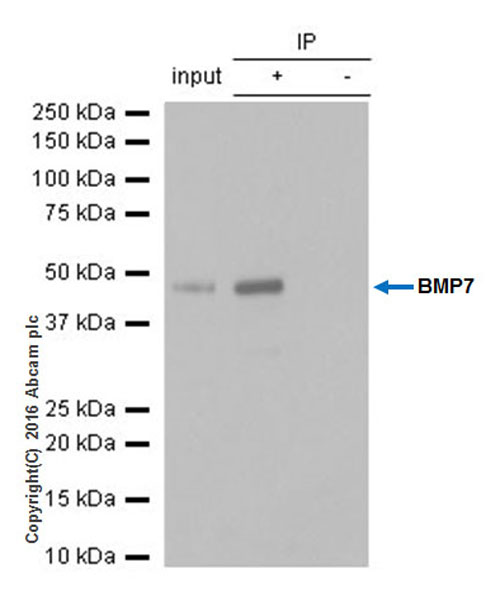
- 0
- 1
Primary Antibodies
AB170874
Anti-TGFBI antibody [EPR12078(B)]
20ul selling size|RabMAb|Recombinant
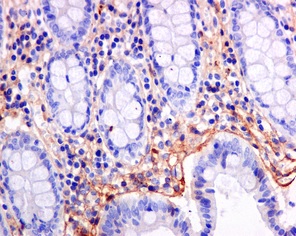
- 5
- 5
Primary Antibodies
AB92628
Anti-Histone H3.3 (phospho S31) antibody [EPR1873]
RabMAb|Recombinant
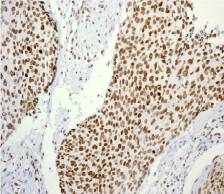
- 3
- 4
Primary Antibodies
AB242515
Anti-IL-8 antibody [EPR19358-37] - BSA and Azide free (Capture)
BOND RX™ Validated|RabMAb|Recombinant|KO Validated
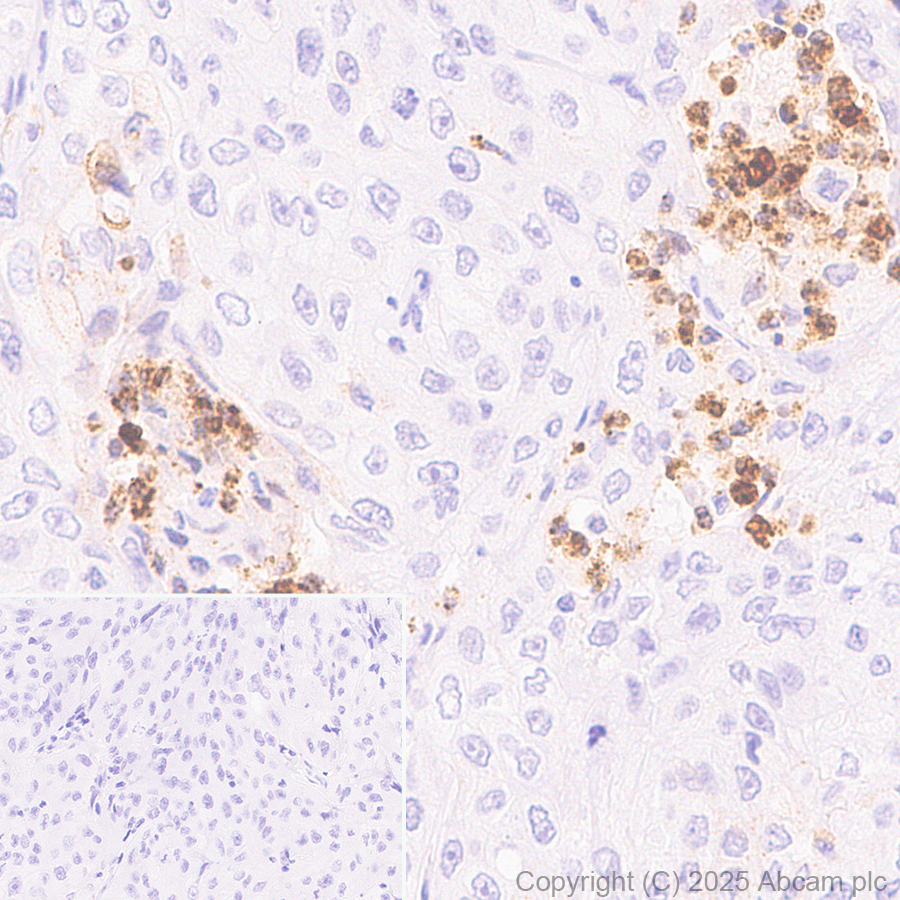
- 0
- 0
Reactivity data
Product details
Patented technology
Our RabMAb® technology is a patented hybridoma-based technology for making rabbit monoclonal antibodies. For details on our patents, please refer to RabMAb® patents.
What are the advantages of a recombinant monoclonal antibody?
This product is a recombinant monoclonal antibody, which offers several advantages including:
- - High batch-to-batch consistency and reproducibility
- - Improved sensitivity and specificity
- - Long-term security of supply
- - Animal-free batch production
For more information, read more on recombinant antibodies.
Properties and storage information
Form
Purity
Storage buffer
Shipped at conditions
Appropriate short-term storage duration
Appropriate short-term storage conditions
Appropriate long-term storage conditions
Aliquoting information
Storage information
Supplementary information
This supplementary information is collated from multiple sources and compiled automatically.
Biological function summary
CRABP1 plays a significant role in modulating the access of retinoic acid to nuclear receptors by controlling its availability in the cell. It is not part of a large protein complex but instead often acts independently to manage intracellular retinoic acid. The protein ensures normal development and maintenance of tissues by influencing gene transcription related to cell differentiation and proliferation. This regulation is important in processes like embryogenesis and skin regeneration.
Pathways
Several intricate signaling cascades involve CRABP1 such as the retinoic acid signaling pathway and the retinoid metabolic pathway. In these pathways CRABP1 directly interacts with proteins like Retinoic Acid Receptors (RARs) to modulate their activity. By regulating retinoic acid levels CRABP1 influences cellular response outcomes which is important for processes like morphogenesis and homeostasis.
Product protocols
- Visit the General protocols
- Visit the Troubleshooting
Target data
Alternative Names
Publications (2)
Recent publications for all applications. Explore the full listand refine your search
Cell death & disease 15:363 PubMed38796484
2024
Applications
Unspecified application
Species
Unspecified reactive species
International journal of molecular sciences 24: PubMed37373423
2023
Applications
Unspecified application
Species
Unspecified reactive species
Product promise
Please note: All products are 'FOR RESEARCH USE ONLY. NOT FOR USE IN DIAGNOSTIC OR THERAPEUTIC PROCEDURES'.
For licensing inquiries, please contact partnerships@abcam.com