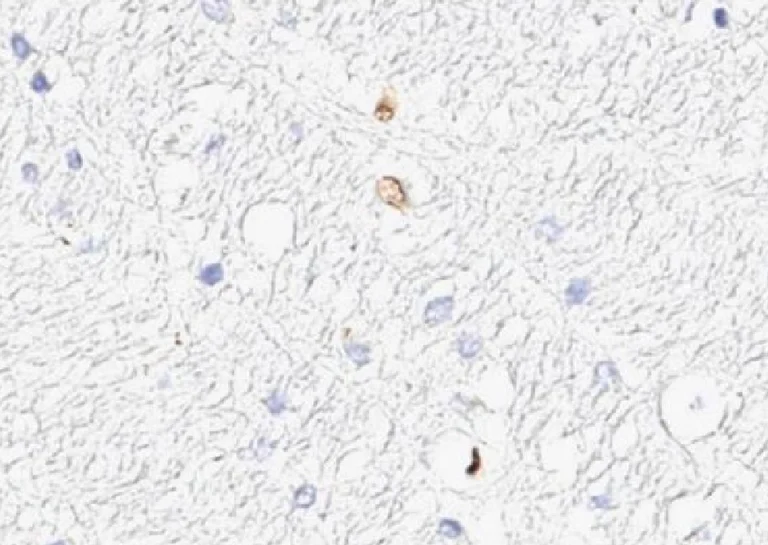
- IHC-P
Supplier Data
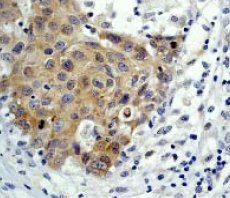
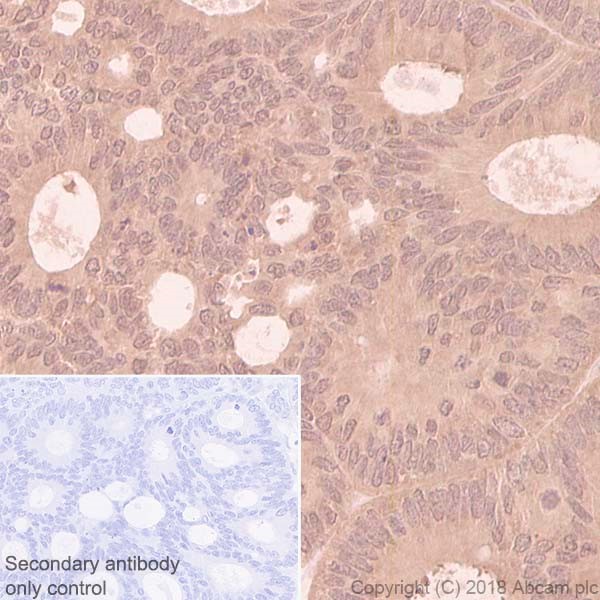
Immunohistochemistry (Formalin/PFA-fixed paraffin-embedded sections) - Anti-eIF4E antibody (AB235191)
Formalin-fixed, paraffin-embedded human cerebellum tissue stained for eIF4E using ab235191 at 1/100 for 30mins at RT in immunohistochemistry. Counterstained with hematoxylin, DAB staining. HIER performed using citrate buffer 20mins.
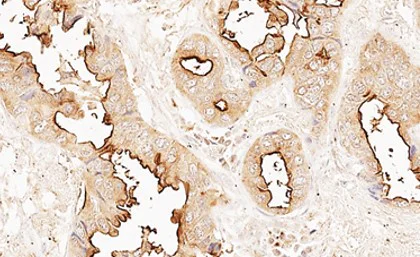
- IHC-P
Supplier Data
Immunohistochemistry (Formalin/PFA-fixed paraffin-embedded sections) - Anti-eIF4E antibody (AB235191)
Formalin-fixed, paraffin-embedded human lung adenocarcinoma tissue stained for eIF4E using ab235191 at 1/1000 in immunohistochemistry. Counterstained with hematoxylin. HIER performed.
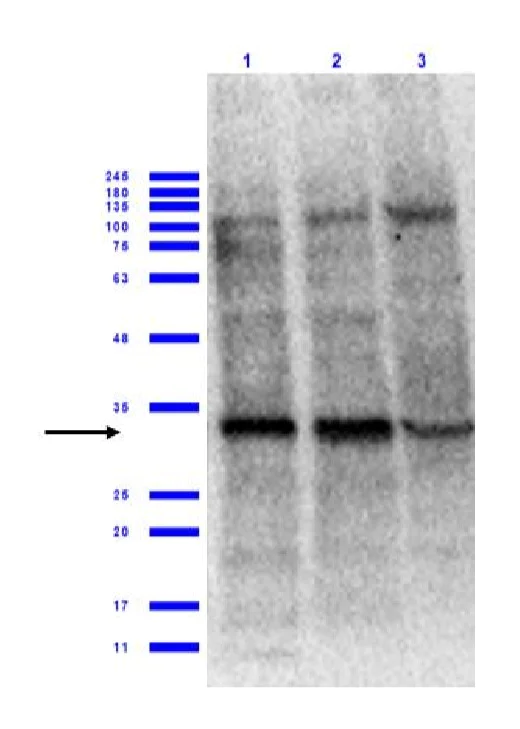
- WB
Supplier Data
Western blot - Anti-eIF4E antibody (AB235191)
All lanes:
Western blot - Anti-eIF4E antibody (ab235191) at 5 µg/mL
Lane 1:
MOLT4 (human lymphoblastic leukemia cell line) whole cell lysate at 35 µg
Lane 2:
Daudi (human Burkitt's lymphoma cell line) whole cell lysate at 35 µg
Lane 3:
HeLa (human epithelial cell line from cervix adenocarcinoma) whole cell lysate at 35 µg
Secondary
All lanes:
Goat anti-Chicken IgG HRP at 1/40000 dilution
Predicted band size: 25 kDa
false
Exposure time: 60s
Alternative Products
Primary Antibodies
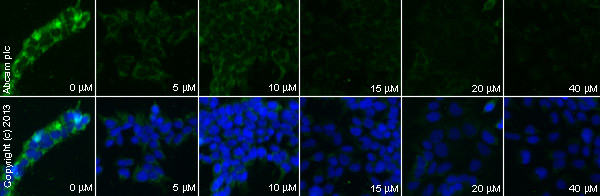
AB183301
Anti-eIF4E (phospho S209) antibody [EP2151Y] - BSA and Azide free
RabMAb|Recombinant
- 0
- 0
Primary Antibodies
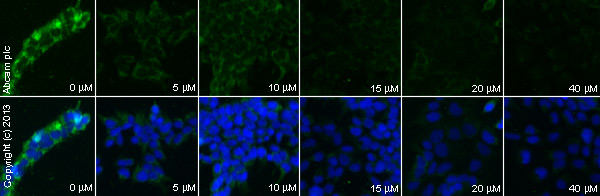
AB76256
Anti-eIF4E (phospho S209) antibody [EP2151Y]
20ul selling size|RabMAb|Recombinant
- 5
- 2
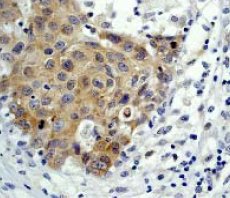
Complementary Products
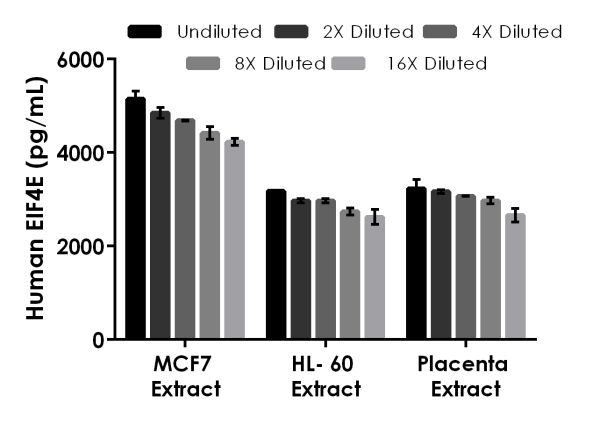
Primary Antibodies
AB76256
Anti-eIF4E (phospho S209) antibody [EP2151Y]
20ul selling size|RabMAb|Recombinant
- 5
- 2
Primary Antibodies
AB181150
Anti-G3BP antibody [EPR13986(B)]
RabMAb|Recombinant|KO Validated|20ul selling size

- 5
- 1
Primary Antibodies
AB312314
Anti-PABP antibody [EPR27188-86]
20ul selling size|RabMAb|Recombinant
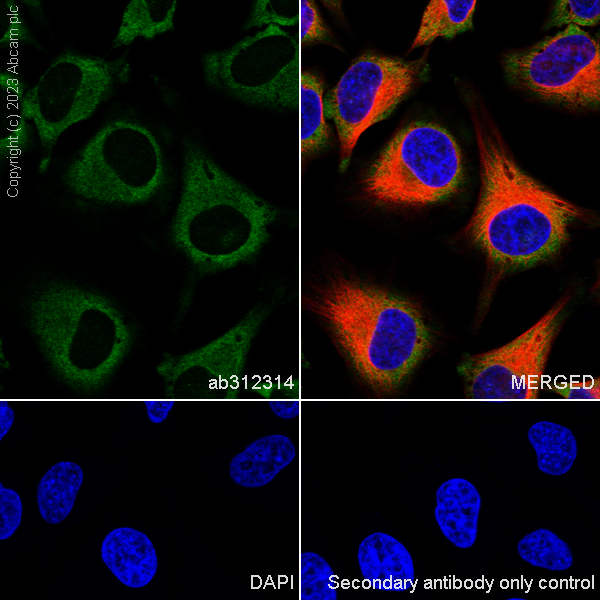
- 0
- 0
Primary Antibodies
AB32024
BOND RX™ Validated|20ul selling size|RabMAb|Recombinant|KO Validated
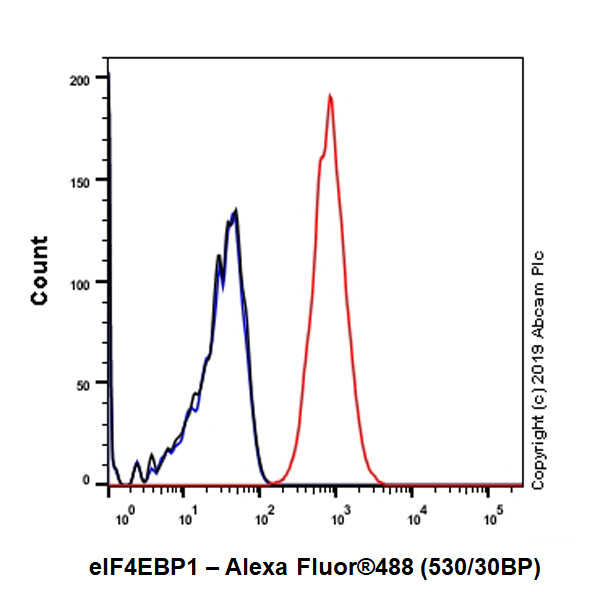
- 0
- 0
Reactivity data
Properties and storage information
Form
Purity
Storage buffer
Shipped at conditions
Appropriate short-term storage duration
Appropriate short-term storage conditions
Appropriate long-term storage conditions
Aliquoting information
Storage information
Supplementary information
This supplementary information is collated from multiple sources and compiled automatically.
Biological function summary
EIF4E regulates gene expression at the translational level and is a part of the eIF4F complex which also includes eIF4A and eIF4G. This complex is essential for the recruitment of ribosomes to the mRNA impacting the rate of protein synthesis. Changes in eIF4E levels can alter the translational efficiency of specific mRNAs thereby influencing cellular growth and proliferation.
Pathways
EIF4E directly involves in the mTOR signaling pathway which regulates cell growth proliferation and survival. Within this pathway eIF4E interacts with proteins such as 4EBP1 which binds to eIF4E and inhibits its function in the absence of phosphorylation by mTOR. This interaction illustrates the control mechanism of protein synthesis under different cellular conditions connecting it to various signaling cascades.
Product protocols
- Visit the General protocols
- Visit the Troubleshooting
Target data
Alternative Names
Publications (1)
Recent publications for all applications. Explore the full listand refine your search
General physiology and biophysics 44:303-315 PubMed40567073
2025
Applications
Unspecified application
Species
Unspecified reactive species
Product promise
Please note: All products are 'FOR RESEARCH USE ONLY. NOT FOR USE IN DIAGNOSTIC OR THERAPEUTIC PROCEDURES'.
For licensing inquiries, please contact partnerships@abcam.com