Anti-ERMN/Juxtanodin antibody
Be the first to review this product! Submit a review
|
(2 Publications )
- IHC-P
Supplier Data
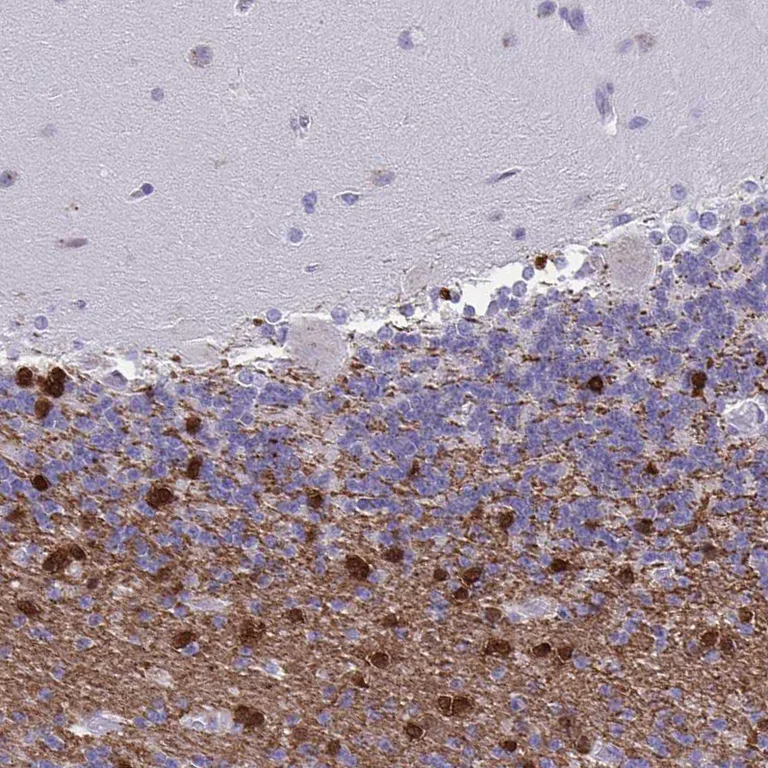
Immunohistochemistry (Formalin/PFA-fixed paraffin-embedded sections) - Anti-ERMN/Juxtanodin antibody (AB243730)
Formalin-fixed, paraffin-embedded human cerebellum tissue stained for ERMN/Juxtanodin with ab243730 at a 1/2500 dilution in immunohistochemical analysis.
- IHC-P
Supplier Data
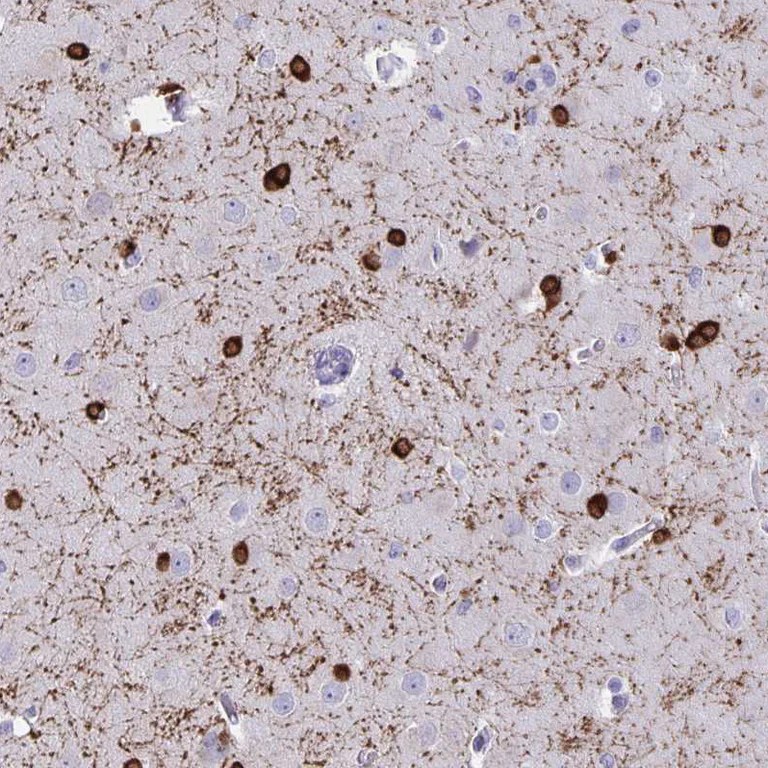
Immunohistochemistry (Formalin/PFA-fixed paraffin-embedded sections) - Anti-ERMN/Juxtanodin antibody (AB243730)
Formalin-fixed, paraffin-embedded human cerebral cortex tissue stained for ERMN/Juxtanodin with ab243730 at a 1/2500 dilution in immunohistochemical analysis.
- IHC-P
Supplier Data
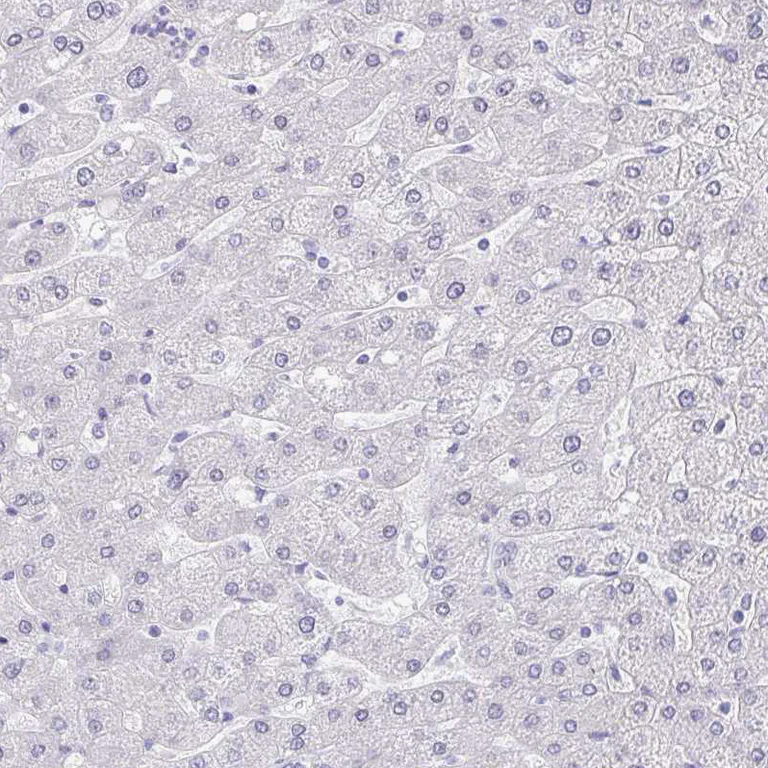
Immunohistochemistry (Formalin/PFA-fixed paraffin-embedded sections) - Anti-ERMN/Juxtanodin antibody (AB243730)
Formalin-fixed, paraffin-embedded human liver tissue stained for ERMN/Juxtanodin with ab243730 at a 1/2500 dilution in immunohistochemical analysis.
- IHC-P
Supplier Data
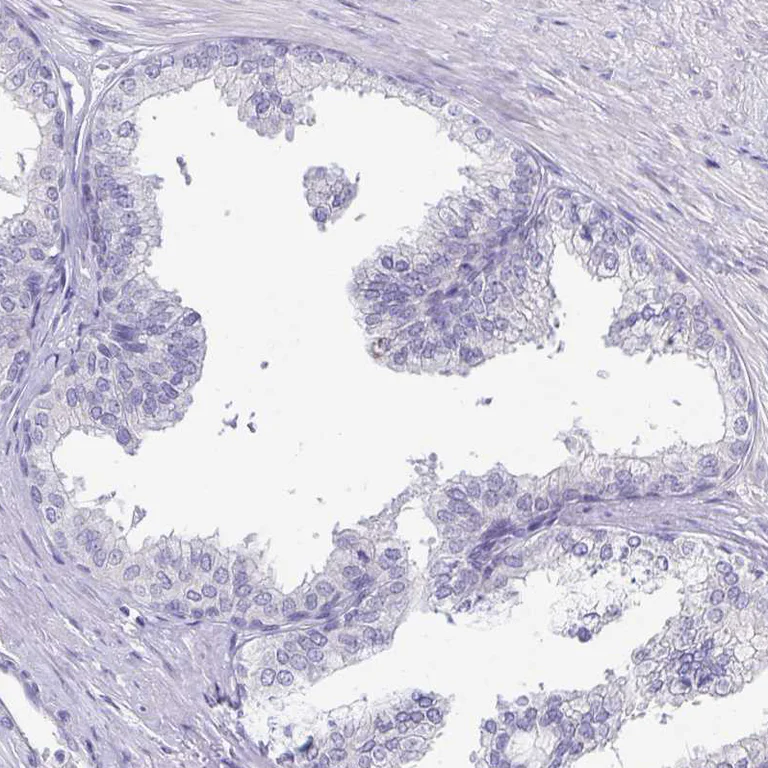
Immunohistochemistry (Formalin/PFA-fixed paraffin-embedded sections) - Anti-ERMN/Juxtanodin antibody (AB243730)
Formalin-fixed, paraffin-embedded human prostate tissue stained for ERMN/Juxtanodin with ab243730 at a 1/2500 dilution in immunohistochemical analysis.
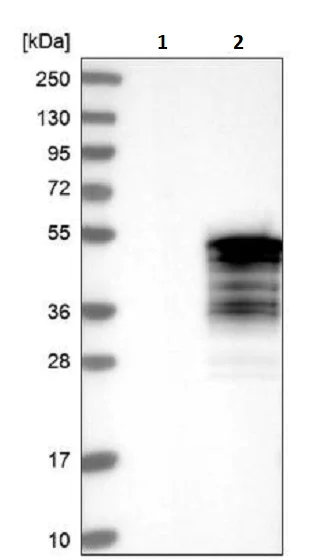
- WB
Supplier Data
Western blot - Anti-ERMN/Juxtanodin antibody (AB243730)
All lanes:
Western blot - Anti-ERMN/Juxtanodin antibody (ab243730) at 0.4 µg/mL
Lane 1:
Vector only transfected HEK-293T (Human epithelial cell line from embryonic kidney transformed with large T antigen) cell lysate
Lane 2:
ERMN/Juxtanodin overexpression HEK-293T cell lysate
Predicted band size: 33 kDa
false
Complementary Products
Primary Antibodies
AB109186
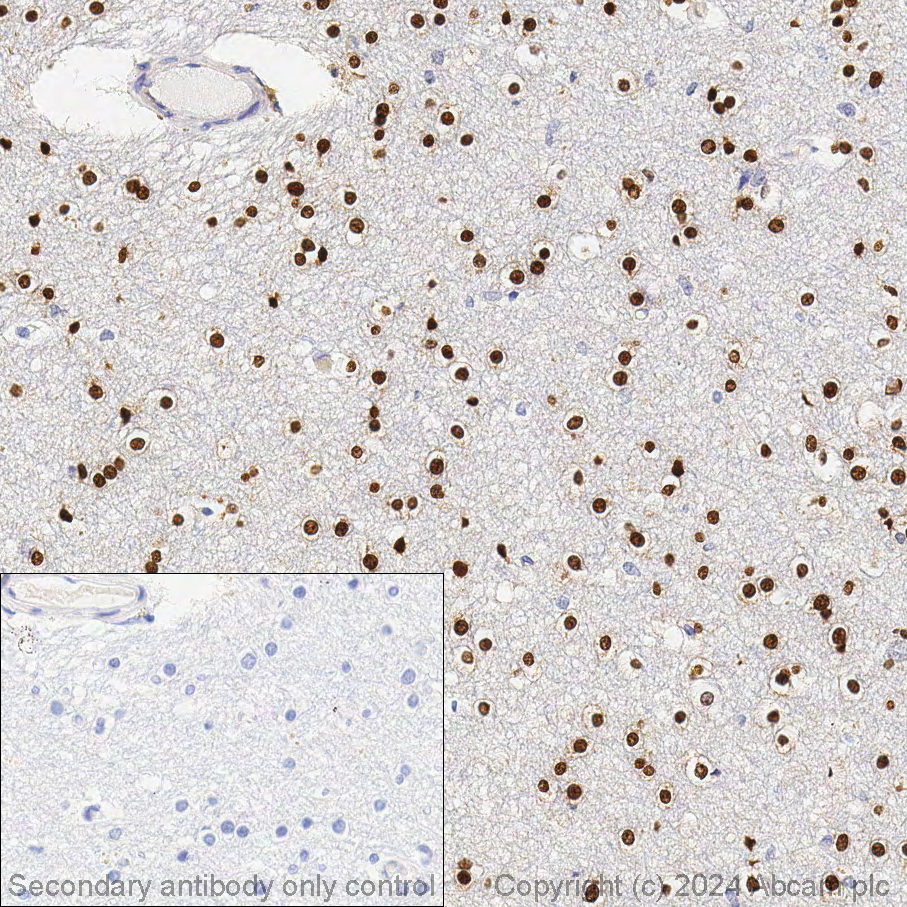
Anti-Olig2 antibody [EPR2673] - Oligodendrocyte Marker
BOND RX™ Validated|20ul selling size|Recombinant|RabMAb
- 5
- 22
Primary Antibodies
AB105389
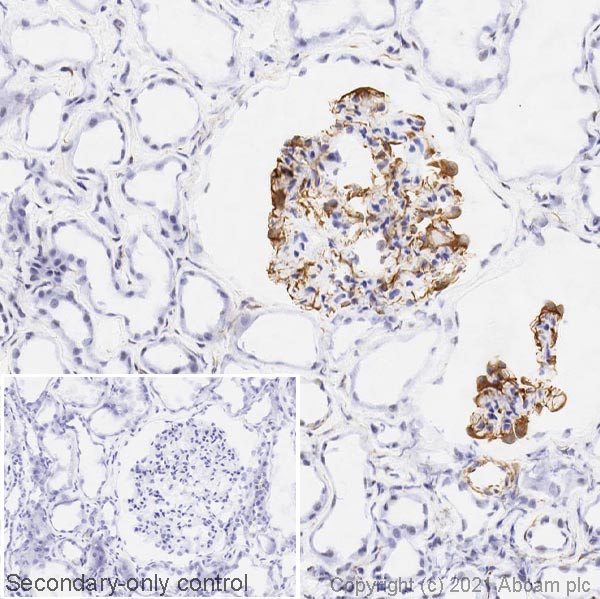
Anti-Nestin antibody [SP103] - Neural Stem Cell Marker
20ul selling size|BOND RX™ Validated|RabMAb|Recombinant|KO Validated
- 5
- 10
Primary Antibodies
AB7349
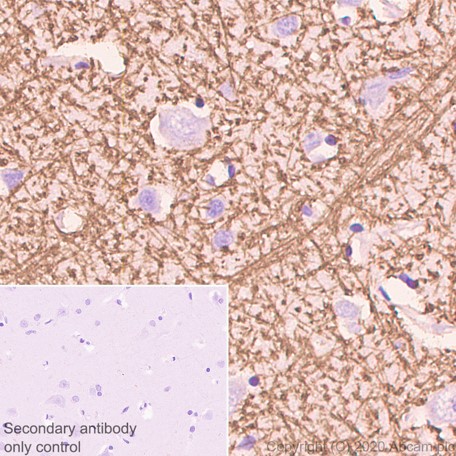
Anti-Myelin Basic Protein antibody [12] - Oligodendrocyte Marker
BOND RX™ Validated|Recombinant|Lab Essentials
- 4
- 23
Primary Antibodies
AB207175
Anti-Doublecortin antibody [EPR19997]
20ul selling size|BOND RX™ Validated|RabMAb|Recombinant
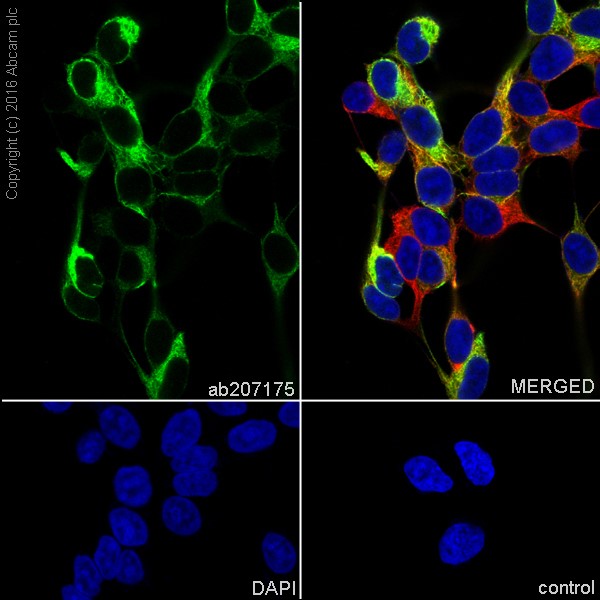
- 3
- 3
Reactivity data
Properties and storage information
Form
Purification technique
Storage buffer
Shipped at conditions
Appropriate short-term storage duration
Appropriate short-term storage conditions
Appropriate long-term storage conditions
Aliquoting information
Storage information
Supplementary information
This supplementary information is collated from multiple sources and compiled automatically.
Biological function summary
Juxtanodin interacts with elements in the cytoskeleton network to facilitate cellular processes like myelination. This protein contributes to the structural integrity of cells by anchoring filamentous structures to the cell membrane. Juxtanodin does not appear as a part of any major known complex but actively participates in establishing the architecture required during neural development and repair.
Pathways
Juxtanodin plays a part in cellular pathways concerning neurogenesis and myelination. It is involved in axonal guidance which connects it indirectly with pathways regulated by guidance proteins such as NOGO and LINGO1. Juxtanodin works in synergy with other cytoskeletal-related proteins to support proper neural function thereby facilitating efficient nerve signal transmission.
Product protocols
- Visit the General protocols
- Visit the Troubleshooting
Target data
Alternative Names
Publications (2)
Recent publications for all applications. Explore the full listand refine your search
Aging 15:3295-3330 PubMed37179123
2023
Applications
Unspecified application
Species
Unspecified reactive species
Brain pathology (Zurich, Switzerland) 32:e13064 PubMed35285112
2022
Applications
Unspecified application
Species
Unspecified reactive species
Product promise
Please note: All products are 'FOR RESEARCH USE ONLY. NOT FOR USE IN DIAGNOSTIC OR THERAPEUTIC PROCEDURES'.
For licensing inquiries, please contact partnerships@abcam.com