- IHC-P
Supplier Data
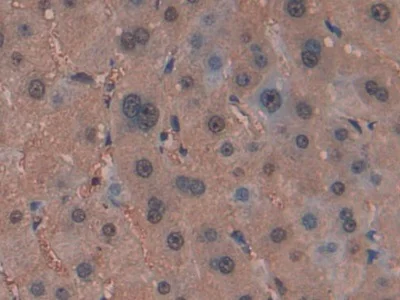
Immunohistochemistry (Formalin/PFA-fixed paraffin-embedded sections) - Anti-GSTM4 antibody (AB233281)
Formalin-fixed, paraffin-embedded human liver tissue stained for GSTM4 using ab233281 at 10 μg/ml in immunohistochemical analysis.
Secondary used : HRP-Linked Goat Anti-Rabbit IgG Polyclonal at 2 μg/ml. DAB staining.
- IHC-P
Supplier Data
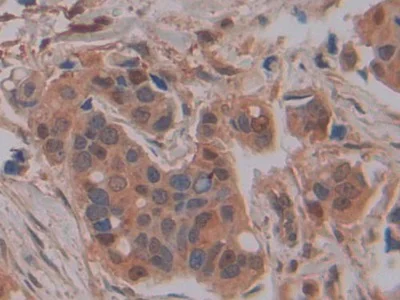
Immunohistochemistry (Formalin/PFA-fixed paraffin-embedded sections) - Anti-GSTM4 antibody (AB233281)
Formalin-fixed, paraffin-embedded human breast cancer tissue stained for GSTM4 using ab233281 at 10 μg/ml in immunohistochemical analysis.
Secondary used : HRP-Linked Goat Anti-Rabbit IgG Polyclonal at 2 μg/ml. DAB staining.
- IHC-P
Supplier Data
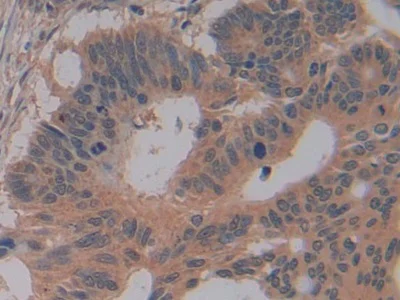
Immunohistochemistry (Formalin/PFA-fixed paraffin-embedded sections) - Anti-GSTM4 antibody (AB233281)
Formalin-fixed, paraffin-embedded human colorectal cancer tissue stained for GSTM4 using ab233281 at 10 μg/ml in immunohistochemical analysis.
Secondary used : HRP-Linked Goat Anti-Rabbit IgG Polyclonal at 2 μg/ml. DAB staining.
- IHC-P
Supplier Data
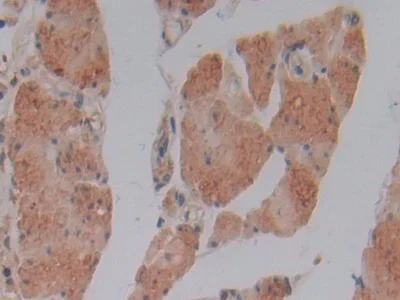
Immunohistochemistry (Formalin/PFA-fixed paraffin-embedded sections) - Anti-GSTM4 antibody (AB233281)
Formalin-fixed, paraffin-embedded human stomach tissue stained for GSTM4 using ab233281 at 10 μg/ml in immunohistochemical analysis.
Secondary used : HRP-Linked Goat Anti-Rabbit IgG Polyclonal at 2 μg/ml. DAB staining.
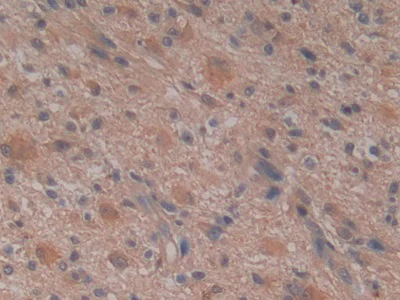
- IHC-P
Supplier Data
Immunohistochemistry (Formalin/PFA-fixed paraffin-embedded sections) - Anti-GSTM4 antibody (AB233281)
Formalin-fixed, paraffin-embedded human glioma tissue stained for GSTM4 using ab233281 at 10 μg/ml in immunohistochemical analysis.
Secondary used : HRP-Linked Goat Anti-Rabbit IgG Polyclonal at 2 μg/ml. DAB staining.
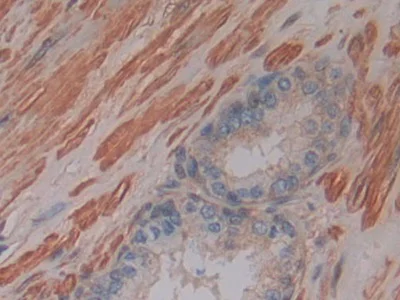
- IHC-P
Supplier Data
Immunohistochemistry (Formalin/PFA-fixed paraffin-embedded sections) - Anti-GSTM4 antibody (AB233281)
Formalin-fixed, paraffin-embedded human prostate tissue stained for GSTM4 using ab233281 at 10 μg/ml in immunohistochemical analysis.
Secondary used : HRP-Linked Goat Anti-Rabbit IgG Polyclonal at 2 μg/ml. DAB staining..
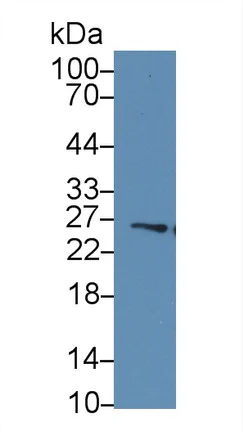
- WB
Supplier Data
Western blot - Anti-GSTM4 antibody (AB233281)
All lanes:
Western blot - Anti-GSTM4 antibody (ab233281) at 2 µg/mL
All lanes:
Human liver lysate
Secondary
All lanes:
HRP-Linked Goat Anti-Rabbit IgG Polyclonal at 0.2 µg/mL
Predicted band size: 26 kDa
false
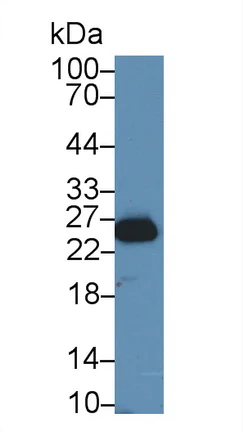
- WB
Supplier Data
Western blot - Anti-GSTM4 antibody (AB233281)
All lanes:
Western blot - Anti-GSTM4 antibody (ab233281) at 2 µg
All lanes:
Mouse lung lysate
Secondary
All lanes:
HRP-Linked Goat Anti-Rabbit IgG Polyclonal at 0.2 µg/mL
Predicted band size: 26 kDa
false
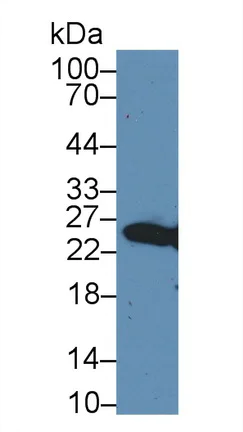
- WB
Supplier Data
Western blot - Anti-GSTM4 antibody (AB233281)
All lanes:
Western blot - Anti-GSTM4 antibody (ab233281) at 2 µg/mL
All lanes:
Human lung lysate
Secondary
All lanes:
HRP-Linked Goat Anti-Rabbit IgG Polyclonal at 0.2 µg/mL
Predicted band size: 26 kDa
false
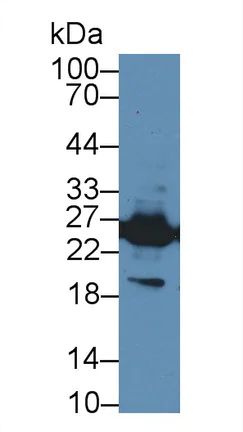
- WB
Supplier Data
Western blot - Anti-GSTM4 antibody (AB233281)
All lanes:
Western blot - Anti-GSTM4 antibody (ab233281) at 2 µg/mL
All lanes:
Mouse liver lysate
Secondary
All lanes:
HRP-Linked Goat Anti-Rabbit IgG Polyclonal at 0.2 µg/mL
Predicted band size: 26 kDa
false
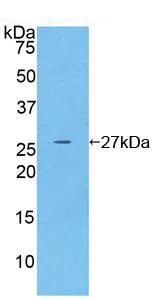
- WB
Supplier Data
Western blot - Anti-GSTM4 antibody (AB233281)
All lanes:
Western blot - Anti-GSTM4 antibody (ab233281) at 2 µg
All lanes:
Recombinant human GSTM4 protein
Predicted band size: 26 kDa
false
Complementary Products
Primary Antibodies
AB200201
Anti-SLC25A12 antibody [EPR16294]
20ul selling size|RabMAb|Recombinant|KO Validated

- 5
- 1
Primary Antibodies
AB195352
Anti-METTL3 antibody [EPR18810]
BOND RX™ Validated|RabMAb|Recombinant|KO Validated|20ul selling size

- 5
- 8
Primary Antibodies
AB124957
Anti-IKK beta antibody [EPR6043]
RabMAb|Recombinant|KO Validated|20ul selling size

- 5
- 1
Primary Antibodies
AB211324
Anti-SQSTM1 / p62 (phospho S349) antibody [EPR20451]
20ul selling size|KO Validated|RabMAb|Recombinant|Lab Essentials

- 5
- 3
Reactivity data
Properties and storage information
Form
Purification technique
Purification notes
Storage buffer
Shipped at conditions
Appropriate short-term storage duration
Appropriate short-term storage conditions
Appropriate long-term storage conditions
Aliquoting information
Storage information
Supplementary information
This supplementary information is collated from multiple sources and compiled automatically.
Biological function summary
GSTM4 functions as a detoxification enzyme that protects cells from oxidative stress and damage from harmful compounds. It operates as part of a complex system of enzymes collectively known for their role in phase II metabolism which is important for clearing toxins from the body. By contributing to the neutralization of reactive oxygen species GSTM4 helps maintain cell health and prevent damage to cellular components like DNA proteins and lipids which could otherwise lead to cell dysfunction or death.
Pathways
GSTM4's activity integrates into pathways such as glutathione metabolism and the xenobiotic detoxification pathway. These pathways utilize GSTM4 and other proteins including the glutathione itself to neutralize toxic compounds and mitigate cellular stress. Other related proteins in these pathways include various isoforms of Glutathione S-transferases highlighting a cooperative network essential for effective detoxification processes inside the body.
Product protocols
- Visit the General protocols
- Visit the Troubleshooting
Target data
Alternative Names
Publications (2)
Recent publications for all applications. Explore the full listand refine your search
Cancer research 84:1659-1679 PubMed38382068
2024
Applications
Unspecified application
Species
Unspecified reactive species
Frontiers in bioengineering and biotechnology 8:612091 PubMed33415100
2020
Applications
Unspecified application
Species
Unspecified reactive species
Product promise
Please note: All products are 'FOR RESEARCH USE ONLY. NOT FOR USE IN DIAGNOSTIC OR THERAPEUTIC PROCEDURES'.
For licensing inquiries, please contact partnerships@abcam.com