Anti-HNF-4-alpha (phospho S304) antibody
Be the first to review this product! Submit a review
|
(1 Publication)
Rabbit Polyclonal HNF-4-alpha phospho S304 antibody. Suitable for WB and reacts with Human samples. Cited in 1 publication. Immunogen corresponding to Synthetic Peptide within Human HNF4A pS304.
View Alternative Names
HNF4, NR2A1, TCF14, HNF4A, Hepatocyte nuclear factor 4-alpha, HNF-4-alpha, Nuclear receptor subfamily 2 group A member 1, Transcription factor 14, Transcription factor HNF-4, TCF-14
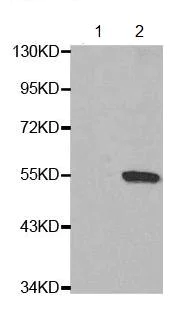
- WB
Supplier Data
Western blot - Anti-HNF-4-alpha (phospho S304) antibody (AB194930)
All lanes:
Western blot - Anti-HNF-4-alpha (phospho S304) antibody (ab194930) at 1/500 dilution
Lane 1:
HeLa cell extract untreated
Lane 2:
HeLa cell extract treated with Anisomycin
Predicted band size: 53 kDa
false
Alternative Products
Primary Antibodies
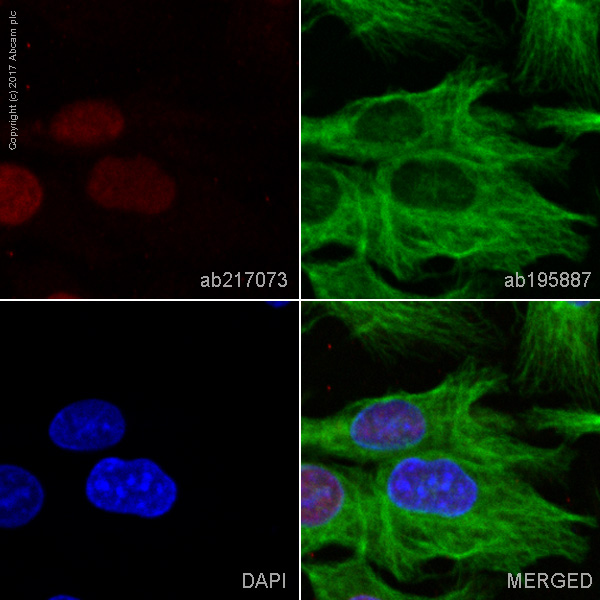
AB217073
Alexa Fluor® 647 Anti-HNF-4-alpha antibody [EPR3648]
RabMAb|Recombinant
- 0
- 0
Primary Antibodies
AB201460
Anti-HNF-4-alpha antibody [EPR16885-99]
20ul selling size|RabMAb|Advanced Validation|Recombinant

- 4
- 2
Primary Antibodies
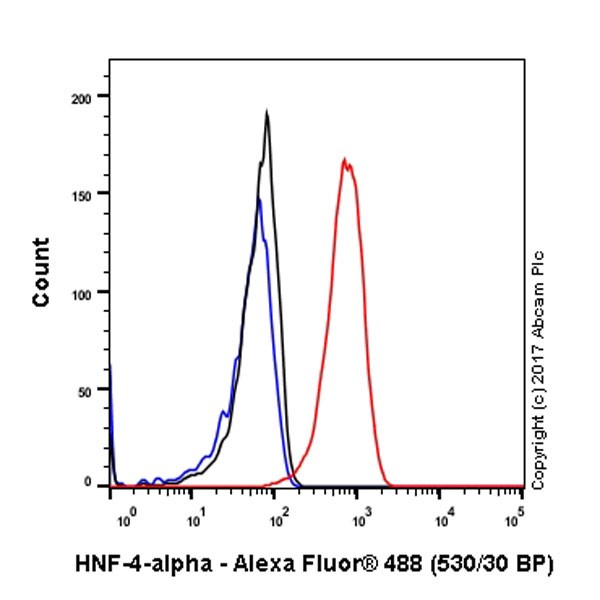
AB200142
Anti-HNF-4-alpha antibody [EPR19265-130] - ChIP Grade
KO Validated|RabMAb|Advanced Validation|Recombinant|20ul selling size
- 0
- 1
Primary Antibodies
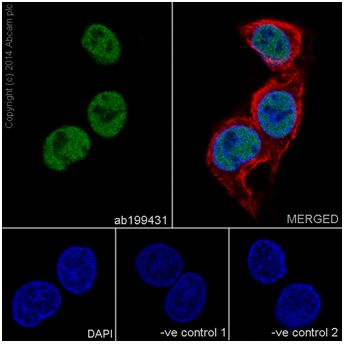
AB199431
Anti-HNF-4-alpha antibody [EPR16786] - N-terminal
RabMAb|Advanced Validation|Recombinant
- 0
- 0
Primary Antibodies
AB231167
Anti-HNF-4-alpha antibody [EPR16885-99] - BSA and Azide free
RabMAb|Advanced Validation|Recombinant

- 0
- 0
Primary Antibodies
AB92378
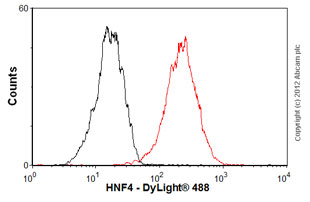
Anti-HNF-4-alpha antibody [EPR3648]
20ul selling size|RabMAb|Advanced Validation|Recombinant
- 5
- 4
Primary Antibodies
AB181604
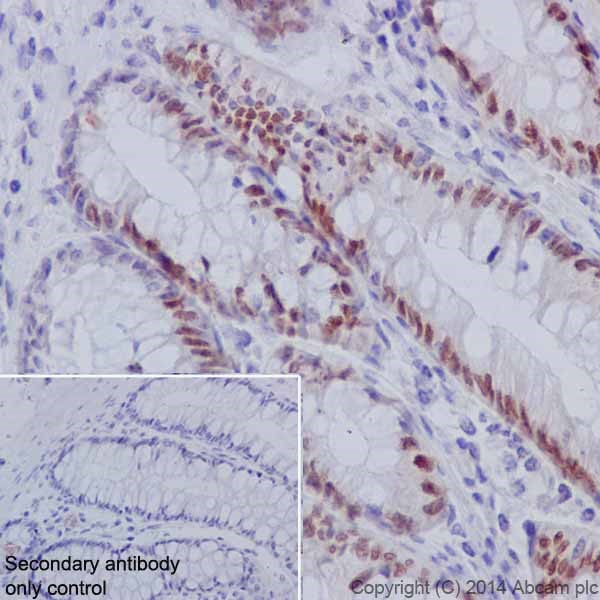
Anti-HNF-4-alpha antibody [EPR16885] - ChIP Grade
20ul selling size|RabMAb|Advanced Validation|Recombinant
- 5
- 4
Complementary Products
Primary Antibodies
AB199431
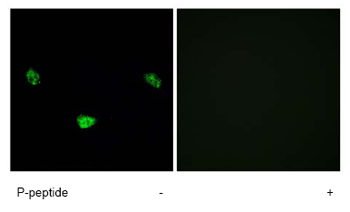
Anti-HNF-4-alpha antibody [EPR16786] - N-terminal
RabMAb|Advanced Validation|Recombinant
- 0
- 0
Primary Antibodies
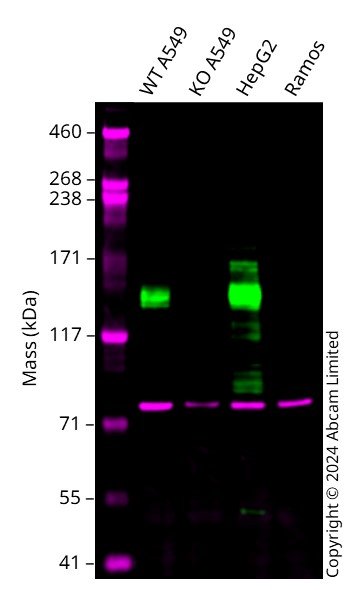
AB124973
20ul selling size|KO Validated|RabMAb|Recombinant
- 1
- 1
Primary Antibodies
AB124921
Anti-Cytochrome P450 3A4/CYP3A4 antibody [EPR6202]
20ul selling size|RabMAb|Recombinant

- 4
- 1
Reactivity data
Properties and storage information
Form
Purification technique
Storage buffer
Shipped at conditions
Appropriate short-term storage duration
Appropriate short-term storage conditions
Appropriate long-term storage conditions
Aliquoting information
Storage information
Supplementary information
This supplementary information is collated from multiple sources and compiled automatically.
Biological function summary
HNF-4-alpha influences the expression of genes involved in liver and pancreatic function. It acts as a transcriptional regulator that controls fatty acid oxidation gluconeogenesis and insulin secretion. HNF-4-alpha interacts with other proteins to form transcriptional complexes that fine-tune the expression of metabolic enzymes and transport proteins. This protein is key to ensuring that metabolic genes are expressed in a coordinated manner which is essential for maintaining normal metabolic processes.
Pathways
HNF-4-alpha participates in the insulin signaling and lipid metabolism pathways. Through these pathways it interacts with other transcription factors such as HNF-1-alpha and PPAR-alpha which coordinate the regulation of genes involved in glucose metabolism and fatty acid oxidation. HNF-4-alpha plays a critical role by modulating the expression of enzymes like gluconeogenic enzymes in response to metabolic needs which connects it to key metabolic pathways influencing overall energy homeostasis.
Product protocols
- Visit the General protocols
- Visit the Troubleshooting
Target data
Publications (1)
Recent publications for all applications. Explore the full list and refine your search
eNeuro 11: PubMed38262737
2024
Applications
Unspecified application
Species
Unspecified reactive species
Product promise
Please note: All products are 'FOR RESEARCH USE ONLY. NOT FOR USE IN DIAGNOSTIC OR THERAPEUTIC PROCEDURES'.
For licensing inquiries, please contact partnerships@abcam.com