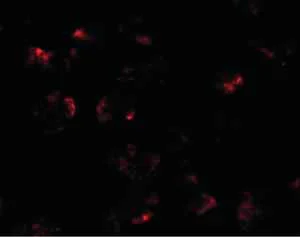
- ICC/IF
Unknown
Immunocytochemistry/ Immunofluorescence - Anti-KPNA5 antibody (AB125529)
Immunofluorescence of KPNA5 in EL4 cells with ab125529 at 20 ug/mL.
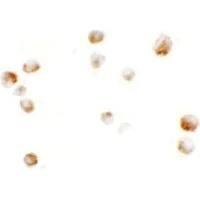
- ICC/IF
Supplier Data
Immunocytochemistry/ Immunofluorescence - Anti-KPNA5 antibody (AB125529)
Immunocytochemistry of KPNA5 in EL4 cells with ab125529 at 5 μg/mL.
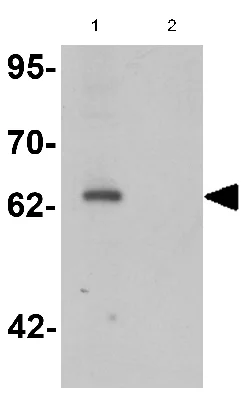
- WB
Unknown
Western blot - Anti-KPNA5 antibody (AB125529)
All lanes:
Western blot - Anti-KPNA5 antibody (ab125529) at 1 µg/mL
Lane 1:
EL4 cell lysate at 15 µg
Lane 2:
EL4 cell lysate at 15 µg with blocking peptide
Predicted band size: 60 kDa
false
Alternative Products

Complementary Products
Primary Antibodies
AB316149
Anti-TRIM8 antibody [EPR27965-6]
20ul selling size|Recombinant|RabMAb|KO Validated

- 0
- 0
Reactivity data
Properties and storage information
Form
Purification technique
Storage buffer
Shipped at conditions
Appropriate short-term storage conditions
Appropriate long-term storage conditions
Aliquoting information
Storage information
Supplementary information
This supplementary information is collated from multiple sources and compiled automatically.
Biological function summary
KPNA5 is important in the transportation of proteins across the nuclear envelope a process that regulates many cellular functions such as cell division signal transduction and transcriptional control. KPNA5 as part of the importin alpha/beta complex regulates the import of proteins like transcription factors and tumor suppressors into the nucleus. The efficient functioning of this complex ensures proper cellular responses and maintenance of cellular homeostasis. By controlling the nuclear-cytoplasmic transport KPNA5 facilitates the precise localization of proteins necessary for normal cell function.
Pathways
KPNA5 is involved in the nuclear transport pathway and is closely associated with the nucleocytoplasmic transport pathway. It interacts with proteins such as importin beta1 for translocation through the nuclear pore complex. This interaction is essential for processes like the regulation of gene expression and signal-dependent nuclear import which are critical for maintaining cellular activities and responses. The precise regulation of these pathways ensures that cells respond appropriately to different physiological signals and stresses.
Product protocols
- Visit the General protocols
- Visit the Troubleshooting
Target data
Alternative Names
Publications (1)
Recent publications for all applications. Explore the full listand refine your search
Genome biology 20:119 PubMed31174582
2019
Applications
Unspecified application
Species
Unspecified reactive species
Product promise
Please note: All products are 'FOR RESEARCH USE ONLY. NOT FOR USE IN DIAGNOSTIC OR THERAPEUTIC PROCEDURES'.
For licensing inquiries, please contact partnerships@abcam.com