Anti-Myoglobin antibody
4
(1 Review)
|
(0 Publication)
- WB
Supplier Data
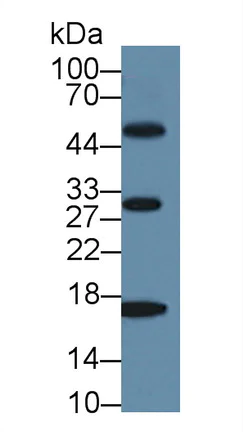
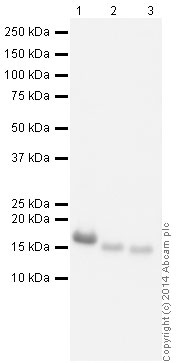
Western blot - Anti-Myoglobin antibody (AB231725)
All lanes:
Western blot - Anti-Myoglobin antibody (ab231725) at 1/50 dilution
All lanes:
Goat liver lysate
Predicted band size: 17 kDa
false
- WB
Supplier Data
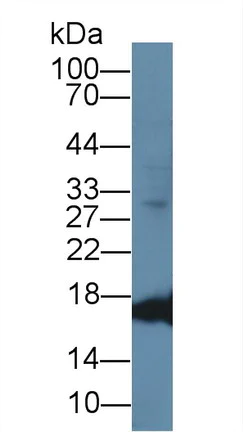
Western blot - Anti-Myoglobin antibody (AB231725)
All lanes:
Western blot - Anti-Myoglobin antibody (ab231725) at 1/50 dilution
All lanes:
Goat cerebrum lysate
Predicted band size: 17 kDa
false
- WB
Supplier Data
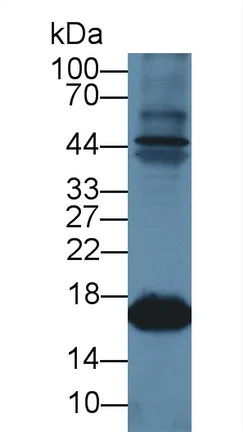
Western blot - Anti-Myoglobin antibody (AB231725)
All lanes:
Western blot - Anti-Myoglobin antibody (ab231725) at 1/50 dilution
All lanes:
Goat skeletal muscle lysate
Predicted band size: 17 kDa
false
- WB
Supplier Data
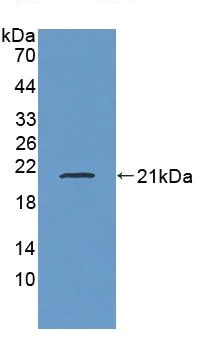
Western blot - Anti-Myoglobin antibody (AB231725)
All lanes:
Western blot - Anti-Myoglobin antibody (ab231725) at 1/50 dilution
All lanes:
Recombinant shepp Myoglobin protein
Predicted band size: 17 kDa
false
- WB
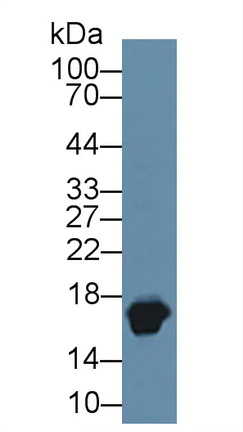
Supplier Data
Western blot - Anti-Myoglobin antibody (AB231725)
All lanes:
Western blot - Anti-Myoglobin antibody (ab231725) at 1/50 dilution
All lanes:
Goat heart lysate
Predicted band size: 17 kDa
false
Alternative Products
Primary Antibodies
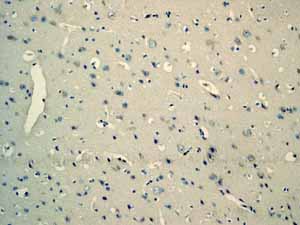
AB77232
Anti-Myoglobin antibody [EP3081Y]
RabMAb|Recombinant|20ul selling size
- 5
- 1
Primary Antibodies
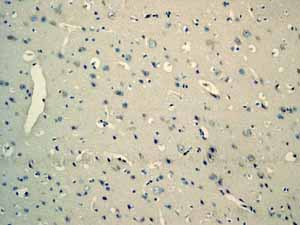
AB232388
Anti-Myoglobin antibody [EP3081Y] - BSA and Azide free
RabMAb|Recombinant
- 0
- 0
Complementary Products
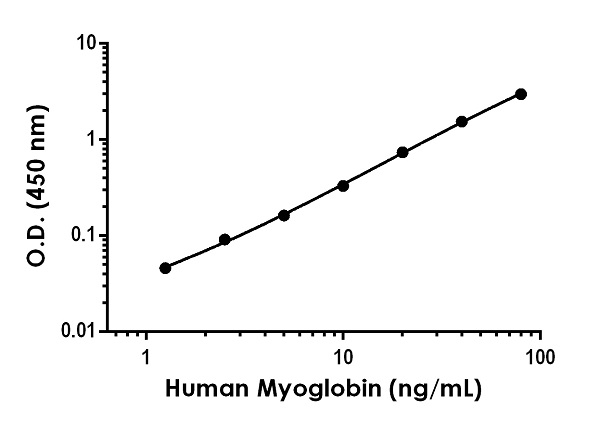
Primary Antibodies
AB183734
RabMAb|Recombinant|Lab Essentials|20ul selling size
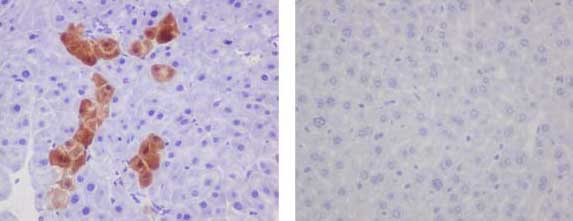
- 5
- 24
Primary Antibodies
AB32362
Anti-Desmin antibody [Y66] - Cytoskeleton Marker
20ul selling size|RabMAb|Recombinant|Lab Essentials
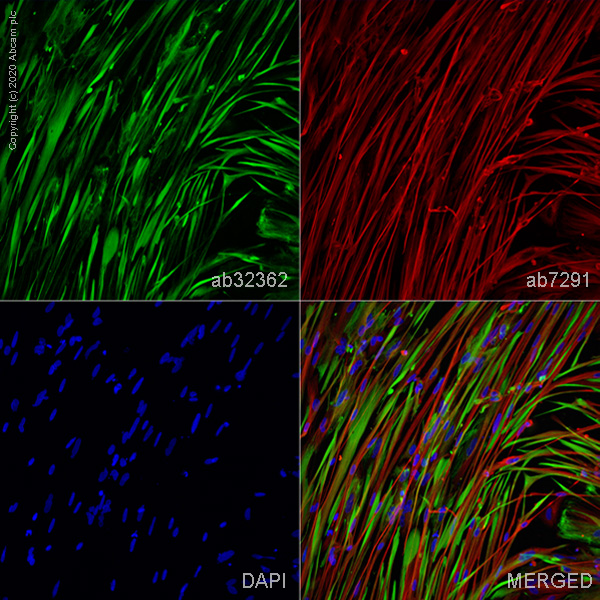
- 5
- 12
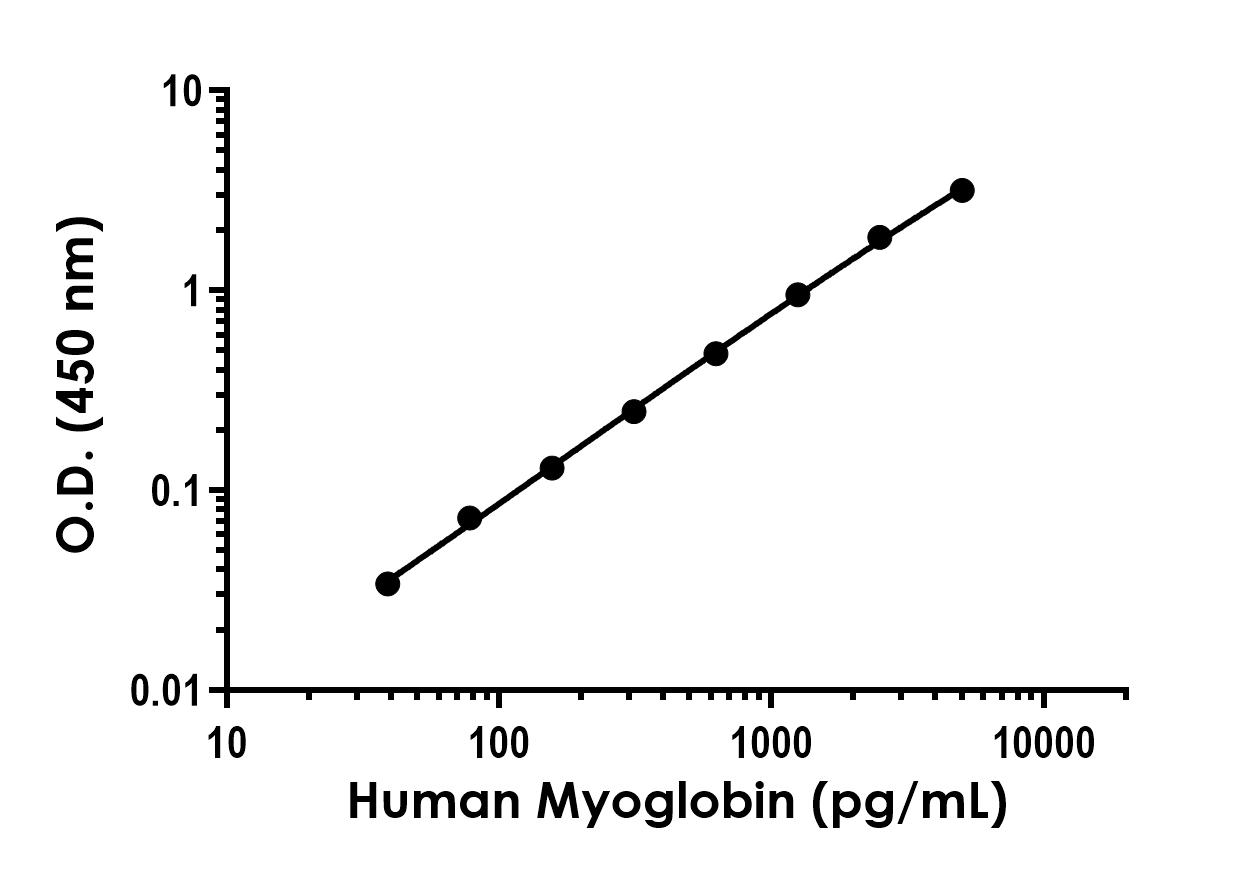
Reactivity data
Properties and storage information
Form
Purification technique
Purification notes
Storage buffer
Shipped at conditions
Appropriate short-term storage duration
Appropriate short-term storage conditions
Appropriate long-term storage conditions
Aliquoting information
Storage information
Supplementary information
This supplementary information is collated from multiple sources and compiled automatically.
Biological function summary
Myoglobin in muscle cells acts to store oxygen which provides a rapid release when required during muscle contraction. Myoglobin serves as a monomer and does not form part of a complex. Its structure allows it to temporarily store and relay oxygen where it is most required enhancing the often abrupt demands of muscles for oxygen. The ability of myoglobin to bind oxygen and release it under hypoxic conditions is central to its biological role in vertebrates.
Pathways
The function of myoglobin in aerobic respiration in muscles involves its participation in the oxygen transport pathway. This protein closely interacts with hemoglobin to mobilize oxygen effectively to mitochondria during muscle contraction. Unlike hemoglobin myoglobin has a hyperbolic oxygen dissociation curve which allows it to provide oxygen at lower partial pressures contributing significantly to the efficient metabolism during hypoxia or intense muscular exertion.
Product protocols
- Visit the General protocols
- Visit the Troubleshooting
Target data
Alternative Names
Product promise
Please note: All products are 'FOR RESEARCH USE ONLY. NOT FOR USE IN DIAGNOSTIC OR THERAPEUTIC PROCEDURES'.
For licensing inquiries, please contact partnerships@abcam.com