Anti-Pepsinogen I antibody [HL2137]
- Recombinant
- What is this?
Be the first to review this product! Submit a review
|
(0 Publication)

- IHC-P
Supplier Data
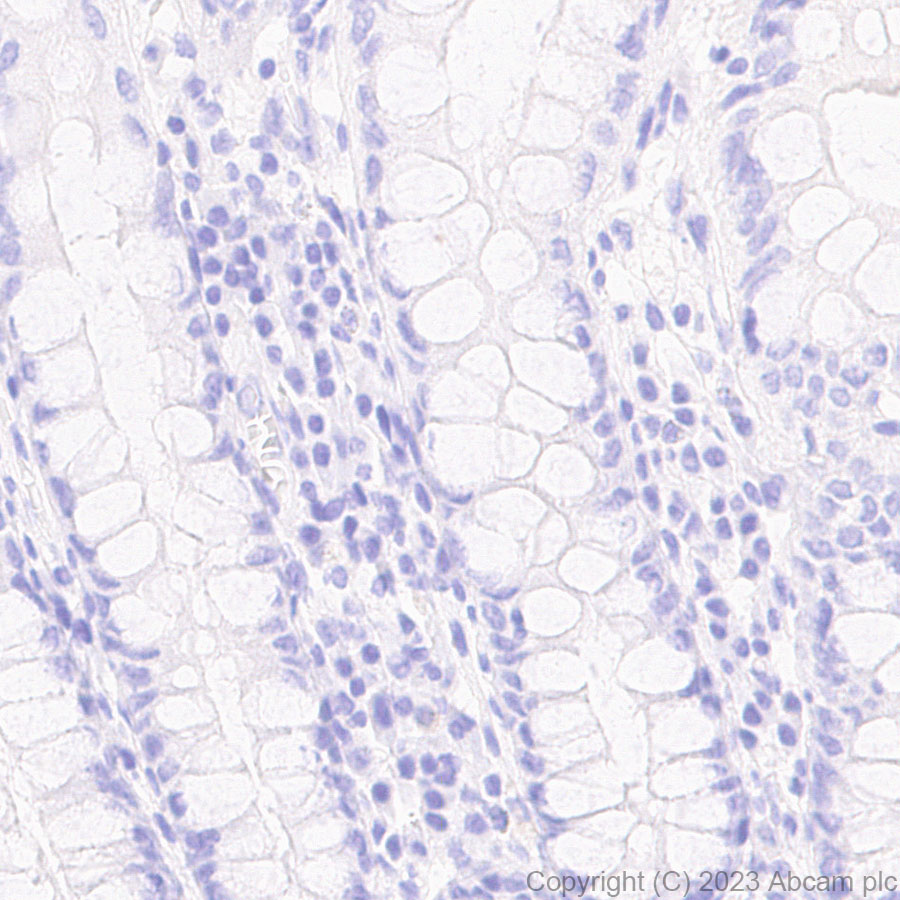
Immunohistochemistry (Formalin/PFA-fixed paraffin-embedded sections) - Anti-Pepsinogen I antibody [HL2137] (AB317142)
ab317142 detects Pepsinogen I protein at cytoplasm by immunohistochemical analysis. Sample : Paraffin-embedded human stomach. Pepsinogen I stained by ab317142 diluted at 1 : 500. Antigen Retrieval : Citrate buffer pH 6.0 15 min.

- ICC/IF
Supplier Data
Immunocytochemistry/ Immunofluorescence - Anti-Pepsinogen I antibody [HL2137] (AB317142)
ab317142 detects Pepsinogen I protein at cytoplasm by immunofluorescent analysis. Sample : THP-1 cells were fixed in 4% paraformaldehyde at RT for 15 min. Green : Pepsinogen I stained by ab317142 diluted at 1 : 500. Blue : Fluoroshield with DAPI.
- I-ELISA
Supplier Data
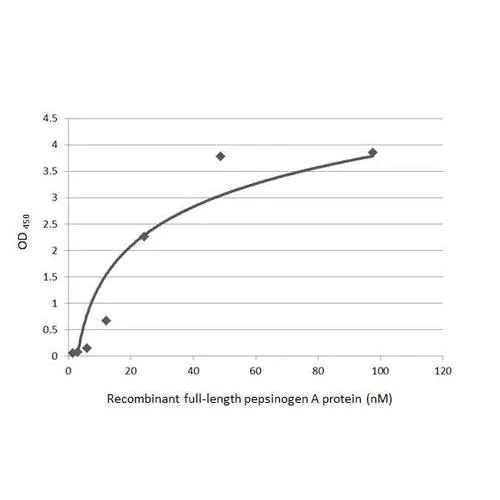
Indirect ELISA - Anti-Pepsinogen I antibody [HL2137] (AB317142)
Indirect ELISA analysis was performed by coating the plate with recombinant NS0 cells expressed full-length human pepsinogen A protein (97.56-1.52 nM). Coated protein was probed with ab317142 (1 ug/mL). Goat anti-rabbit IgG antibody (HRP) (1 : 10000) was used to detect the bound primary antibody.
Complementary Products

Primary Antibodies
AB312852
Anti-Pepsin antibody [EPR28182-66]
BOND RX™ Validated|20ul selling size|RabMAb|Recombinant
- 0
- 0


Reactivity data
Product details
What are the advantages of a recombinant monoclonal antibody?
This product is a recombinant monoclonal antibody, which offers several advantages including:
- - High batch-to-batch consistency and reproducibility
- - Improved sensitivity and specificity
- - Long-term security of supply
- - Animal-free batch production
For more information, read more on recombinant antibodies.
Properties and storage information
Form
Storage buffer
Shipped at conditions
Appropriate short-term storage duration
Appropriate short-term storage conditions
Appropriate long-term storage conditions
Aliquoting information
Storage information
Supplementary information
This supplementary information is collated from multiple sources and compiled automatically.
Biological function summary
Pepsinogen I serves as an important component in the proteolytic process within the digestive system. It is not a part of a larger protein complex but functions independently after its activation. The conversion to pepsin enables the digestion of dietary proteins into smaller peptides and amino acids which are essential for the absorption and utilization by the body. This activity is fundamental to maintaining efficient nutrient processing and absorption in the gastrointestinal tract.
Pathways
The digestive process involving pepsinogen I is closely tied to the gastric acid secretion pathway. The enzyme pepsin derived from pepsinogen plays an important role in this pathway by breaking down proteins within the acidic environment of the stomach. Additionally pepsinogen activation indirectly interacts with other enzymes like gastric lipase which aids in the digestion of fats highlighting the interconnectedness of digestive pathways that ensure the body efficiently utilizes nutrients.
Product protocols
- Visit the General protocols
- Visit the Troubleshooting
Target data
Additional targets
Alternative Names
Product promise
Please note: All products are 'FOR RESEARCH USE ONLY. NOT FOR USE IN DIAGNOSTIC OR THERAPEUTIC PROCEDURES'.
For licensing inquiries, please contact partnerships@abcam.com