- IHC-P
Unknown
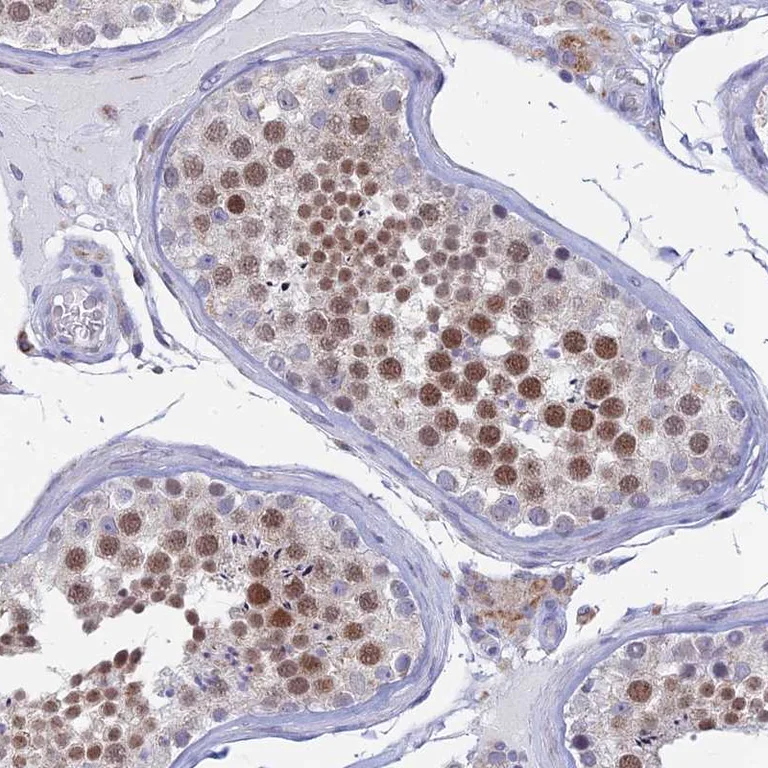
Immunohistochemistry (Formalin/PFA-fixed paraffin-embedded sections) - Anti-REXO5 antibody (AB247021)
Paraffin-embedded human testis tissue stained for REXO5 using ab247021 at 1/200 dilution in immunohistochemical analysis.
- ICC/IF
Unknown
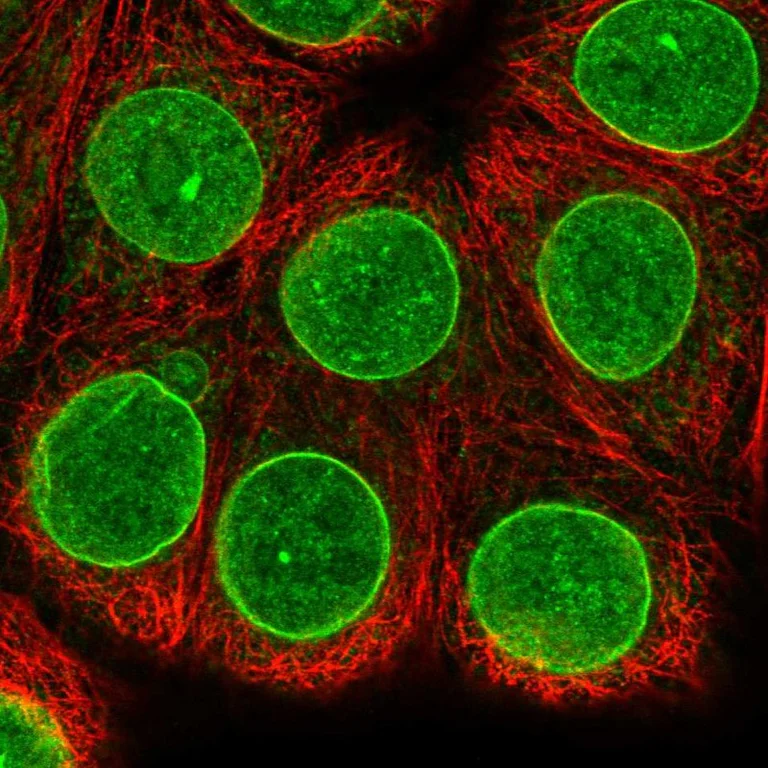
Immunocytochemistry/ Immunofluorescence - Anti-REXO5 antibody (AB247021)
PFA fixed, Triton X-100 permeabilized MCF7 (Human breast adenocarcinoma cell line) cells labeling REXO5 using ab247021 at 4 μg/ml (green) in ICC/IF.
- IHC-P
Unknown
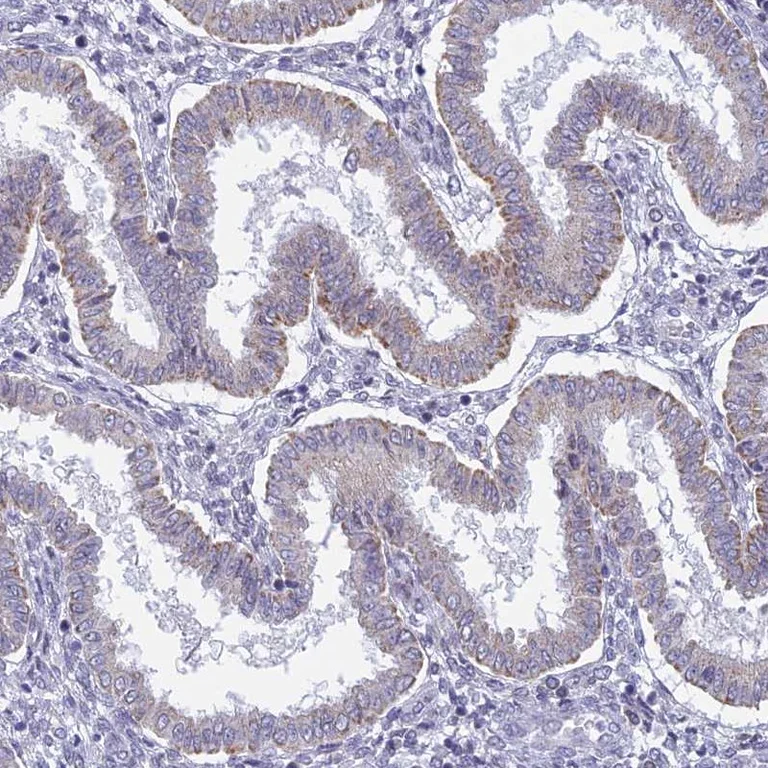
Immunohistochemistry (Formalin/PFA-fixed paraffin-embedded sections) - Anti-REXO5 antibody (AB247021)
Paraffin-embedded human endometrium tissue stained for REXO5 using ab247021 at 1/200 dilution in immunohistochemical analysis. Low expression as expected.
Complementary Products

Primary Antibodies
AB76420
Anti-RPA32/RPA2 antibody [EPR2877Y]
20ul selling size|RabMAb|Recombinant

- 5
- 1
Primary Antibodies
AB278717
Anti-Chk1 (phospho S317) antibody [Chk1S317-G1]
20ul selling size|Recombinant

- 0
- 0

Reactivity data
Properties and storage information
Form
Purification technique
Storage buffer
Shipped at conditions
Appropriate short-term storage duration
Appropriate short-term storage conditions
Appropriate long-term storage conditions
Aliquoting information
Storage information
Supplementary information
This supplementary information is collated from multiple sources and compiled automatically.
Biological function summary
REXO5 participates in RNA processing and degradation. It does not form part of a larger multiprotein complex but instead acts individually in exerting its enzymatic function. The protein helps maintain RNA homeostasis by ensuring the proper turnover and degradation of RNA molecules. This function is essential for the regulation of gene expression as it prevents the accumulation of defective or unnecessary RNA which could interfere with cellular activities.
Pathways
The REXO5 protein engages in RNA surveillance and decay pathways. It plays a role in the nonsense-mediated decay pathway that targets aberrant mRNA for degradation which is important for quality control in gene expression. REXO5 works alongside proteins such as UPF1 an important player in recognizing and targeting faulty mRNA for breakdown. These interactions ensure the fidelity of genetic information and contribute to the stability of cellular function.
Product protocols
- Visit the General protocols
- Visit the Troubleshooting
Target data
Alternative Names
Publications (1)
Recent publications for all applications. Explore the full listand refine your search
Science (New York, N.Y.) 374:eabk0410 PubMed34882480
2021
Applications
Unspecified application
Species
Unspecified reactive species
Product promise
Please note: All products are 'FOR RESEARCH USE ONLY. NOT FOR USE IN DIAGNOSTIC OR THERAPEUTIC PROCEDURES'.
For licensing inquiries, please contact partnerships@abcam.com