Native Human Collagen II protein
Be the first to review this product! Submit a review
|
(0 Publication)
Native Human Collagen II protein is a Human Full Length protein, expressed in Native, suitable for SDS-PAGE, ELISA.
View Alternative Names
Collagen alpha-1(II) chain, Alpha-1 type II collagen, COL2A1
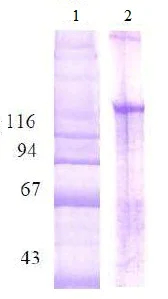
- SDS-PAGE
Unknown
SDS-PAGE - Native Human Collagen II protein (AB134522)
SDS-PAGE analysis of ab134522 Lane 1 : Molecular weight marker
Lane 2 : ab134522
Complementary Products
Reagents, Controls & Accessories
AB116028
Prestained Protein Ladder - Broad molecular weight (10 - 245 kDa)

- 5
- 3
Primary Antibodies
AB307674
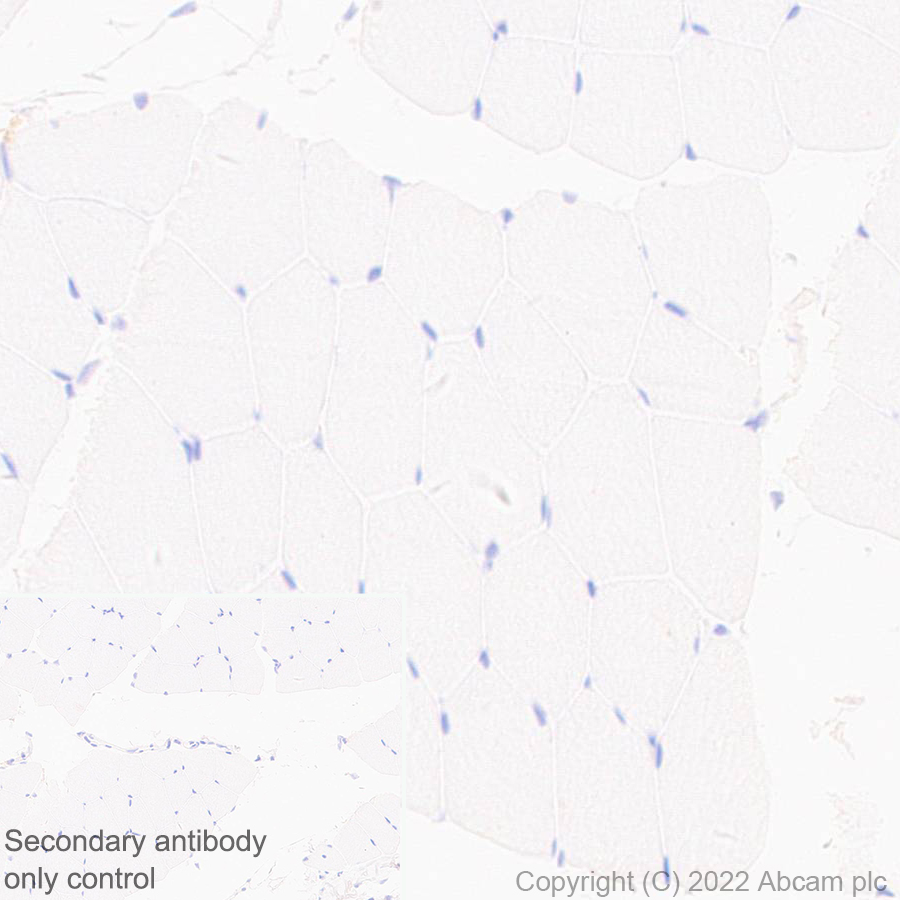
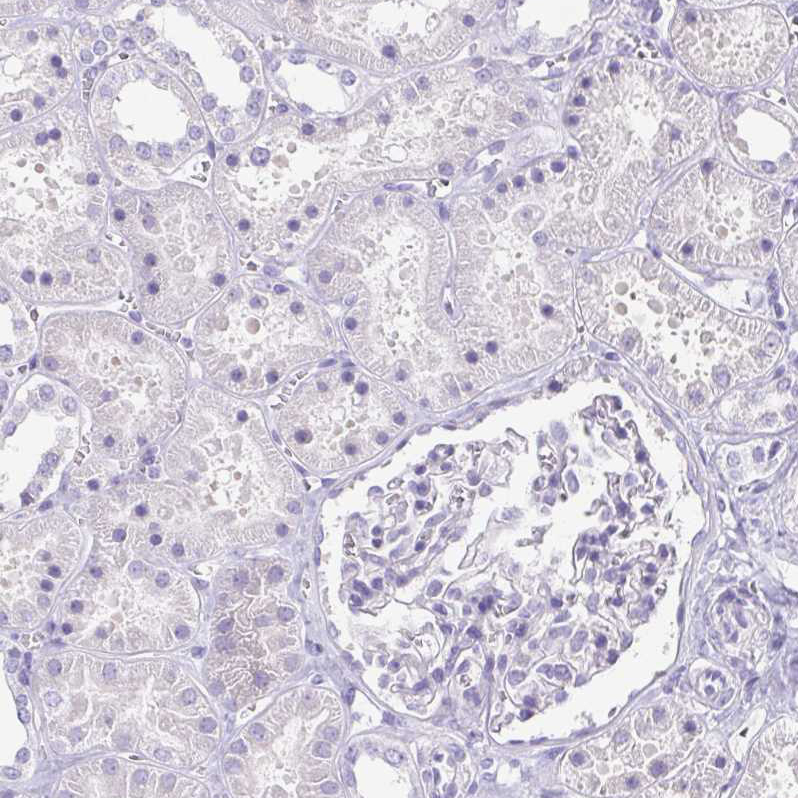
Anti-Collagen II antibody [EPR27418-25]
BOND RX™ Validated|20ul selling size|RabMAb|Recombinant
- 0
- 0
Primary Antibodies
AB109725
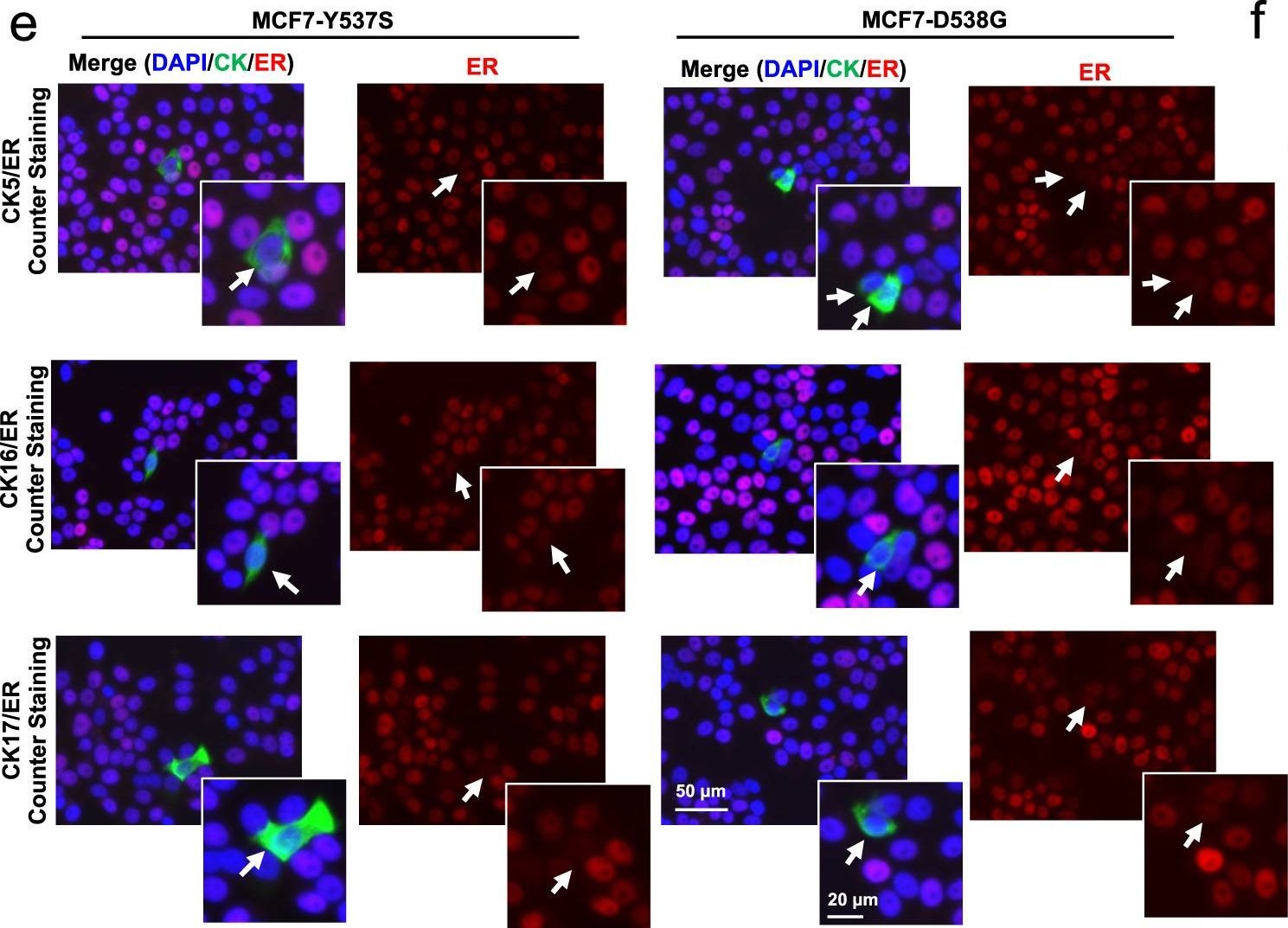
Anti-Cytokeratin 17 antibody [EP1623] - Cytoskeleton Marker
RabMAb|Recombinant|Lab Essentials|20ul selling size
- 3
- 1
Reactivity data
Sequence info
Properties and storage information
Shipped at conditions
Appropriate long-term storage conditions
Storage information
Supplementary information
This supplementary information is collated from multiple sources and compiled automatically.
Biological function summary
Fibrillar collagen type II is an important component of the extracellular matrix important for endochondral ossification and cartilage formation. Collagen type II forms a network that interacts with other ECM molecules such as proteoglycans and non-collagenous proteins creating a hydrated gel that resists compressive forces. This complex structure is essential for maintaining the biomechanical properties of cartilage enabling it to withstand mechanical stress and support smooth joint movements.
Pathways
Collagen type II plays an important role in cartilage development and homeostasis. It is integral to the TGF-β signaling pathway which regulates cell growth and differentiation in chondrocytes. The protein is related to other collagens such as collagen type IX and proteoglycans like aggrecan both of which contribute to the structural integrity of cartilage. These interactions facilitate the proper assembly and organization of cartilage ECM supporting tissue function.
Specifications
Additional notes
ab134522 is purified from Human joint cartilage using Guanidin-HCl extraction, pepsin digestion, salt precipitation, ion exchange chromatography and gel filtration.
General info
Function
Type II collagen is specific for cartilaginous tissues. It is essential for the normal embryonic development of the skeleton, for linear growth and for the ability of cartilage to resist compressive forces.
Sequence similarities
Belongs to the fibrillar collagen family.
Post-translational modifications
The N-telopeptide is covalently linked to the helical COL2 region of alpha 1(IX), alpha 2(IX) and alpha 3(IX) chain. The C-telopeptide is covalently linked to an another site in the helical region of alpha 3(IX) COL2.. Contains mostly 4-hydroxyproline. Prolines at the third position of the tripeptide repeating unit (G-X-P) are 4-hydroxylated in some or all of the chains.. Contains 3-hydroxyproline at a few sites. This modification occurs on the first proline residue in the sequence motif Gly-Pro-Hyp, where Hyp is 4-hydroxyproline.. Lysine residues at the third position of the tripeptide repeating unit (G-X-Y) are 5-hydroxylated in some or all of the chains.. O-glycosylated on hydroxylated lysine residues. The O-linked glycan consists of a Glc-Gal disaccharide.
Target data
Product promise
Please note: All products are 'FOR RESEARCH USE ONLY. NOT FOR USE IN DIAGNOSTIC OR THERAPEUTIC PROCEDURES'.
For licensing inquiries, please contact partnerships@abcam.com