Recombinant human USP35 protein (GST tag N-Terminus)
Be the first to review this product! Submit a review
|
(0 Publication)
- FuncS
Supplier Data
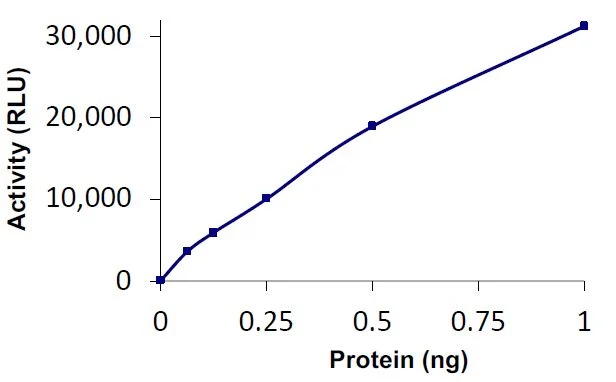
Functional Studies - Recombinant human USP35 protein (GST tag N-Terminus) (AB269122)
The specific activity of ab269122 was 431 nmol/min/mg in a DUB assay using recombinant human ubiquitin-based proluciferin substrate.
- SDS-PAGE
Supplier Data
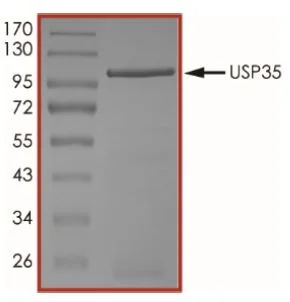
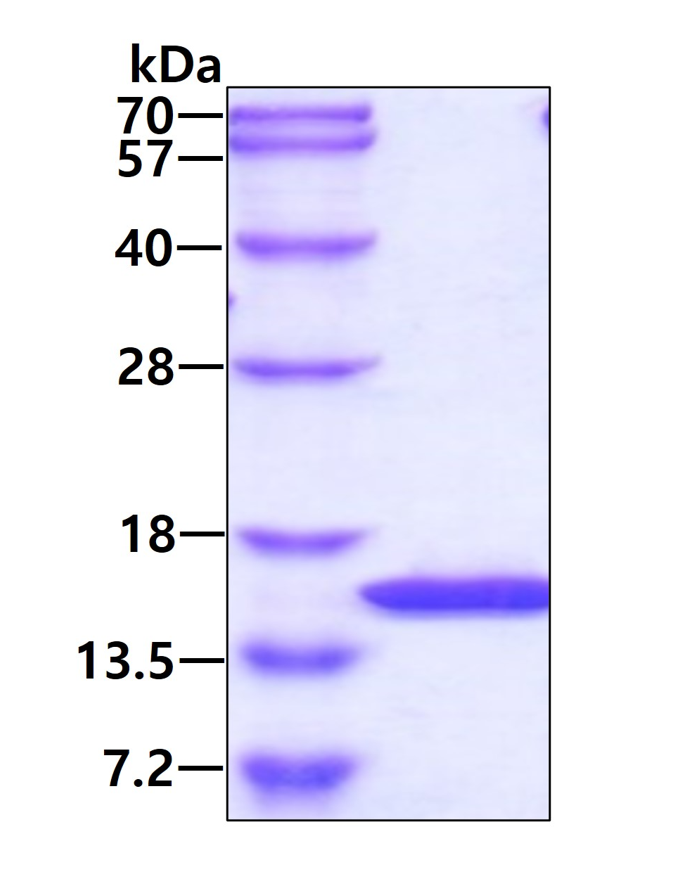
SDS-PAGE - Recombinant human USP35 protein (GST tag N-Terminus) (AB269122)
SDS-PAGE analysis of ab269122.
Complementary Products
Reagents, Controls & Accessories
AB116029
Prestained Protein Ladder - Extra broad molecular weight (5 - 245 kDa)

- 5
- 1
Primary Antibodies
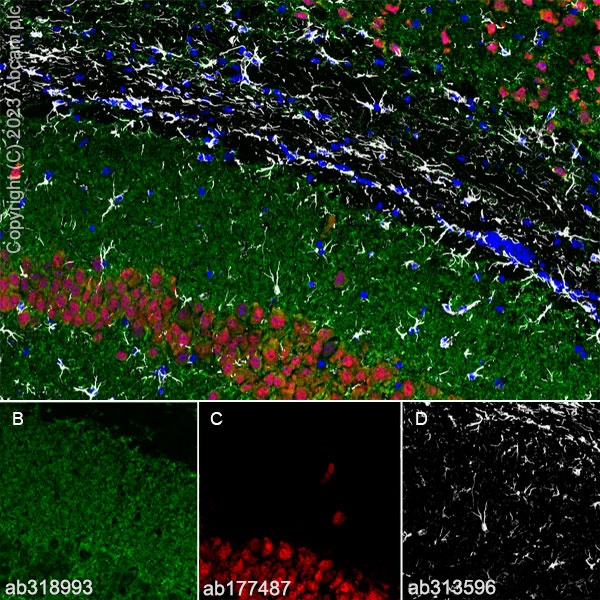
AB177487
Anti-NeuN antibody [EPR12763] - Neuronal Marker
BOND RX™ Validated|RabMAb|Recombinant|Lab Essentials|20ul selling size|Advanced Validation
- 5
- 76
Primary Antibodies
AB278054
Anti-GFAP antibody [RM1003] - Astrocyte Marker
BOND RX™ Validated|20ul selling size|RabMAb|Recombinant
- 0
- 0
Reactivity data
Sequence info
Properties and storage information
Form
Shipped at conditions
Appropriate short-term storage conditions
Appropriate long-term storage conditions
Aliquoting information
Storage information
Supplementary information
This supplementary information is collated from multiple sources and compiled automatically.
Biological function summary
USP35 plays a role in regulating protein stability and turnover. As part of deubiquitinating enzymes (DUBs) it helps reverse the ubiquitination process that marks proteins for degradation. It contributes to maintaining protein homeostasis which is important for cell function and survival. USP35 may function as part of larger protein complexes although specific complexes have not been definitively described. Its regulatory role can impact cellular processes significantly.
Pathways
The ubiquitin-proteasome pathway involves USP35 in maintaining protein balance by removing ubiquitin chains. USP35 interacts with other DUBs as well as the proteasome system itself. It is also associated with the ER-associated degradation (ERAD) pathway which controls protein quality in the endoplasmic reticulum. USP35 interacts closely with proteins like HRD1 which is another E3 ubiquitin ligase involved in ERAD highlighting the interconnected nature of protein regulation pathways.
General info
Function
Deubiquitinase that plays a role in different processes including cell cycle regulation, mitophagy or endoplasmic reticulum stress (PubMed : 26348204, PubMed : 29449677, PubMed : 37004621). Inhibits TNFalpha-induced NF-kappa-B activation through stabilizing TNIP2 protein via deubiquitination (PubMed : 26348204). Plays an essential role during mitosis by deubiquitinating and thereby regulating the levels of Aurora B/AURKB protein (PubMed : 29449677). In addition, regulates the protein levels of other key component of the chromosomal passenger complex (CPC) such as survivin/BIRC5 or Borealin/CDCA8 by enhancing their stability (PubMed : 34438346). Regulates the degradation of mitochondria through the process of autophagy termed mitophagy (PubMed : 25915564).
Sequence similarities
Belongs to the peptidase C19 family.
Post-translational modifications
Ubiquitinated by CHIP/STUB1 in an HSP90-dependent manner; leading to proteasomal degradation. This ubiquitination can be reversed through auto-deubiquitinating activity.
Subcellular localisation
Mitochondrion
Target data
Alternative Names
Product promise
Please note: All products are 'FOR RESEARCH USE ONLY. NOT FOR USE IN DIAGNOSTIC OR THERAPEUTIC PROCEDURES'.
For licensing inquiries, please contact partnerships@abcam.com