JavaScript is disabled in your browser. Please enable JavaScript to view this website.
AB310740

Alexa Fluor® 594 Anti-TDP43 antibody [EPR5810]

Be the first to review this product! 리뷰 제출

|

(0 출판물)

Rabbit Recombinant Monoclonal TDP43 antibody - conjugated to Alexa Fluor® 594. Suitable for Target Binding Affinity, Antibody Labelling, Flow Cyt (Intra), ICC/IF, IHC-P and reacts with Human, Mouse, Rat samples.

관련 conjugated 항체와 다양한 조성의 항체 (11)

  • Unconjugated

    Anti-TDP43 antibody [EPR5810]

  • Carrier free

    Anti-TDP43 antibody [EPR5810] - BSA and Azide free

  • 660 APC

    APC Anti-TDP43 antibody [EPR5810]

  • 519 Alexa Fluor® 488

    Alexa Fluor® 488 Anti-TDP43 antibody [EPR5810]

  • 565 Alexa Fluor® 555

    Alexa Fluor® 555 Anti-TDP43 antibody [EPR5810]

  • 603 Alexa Fluor® 568

    Alexa Fluor® 568 Anti-TDP43 antibody [EPR5810]

  • 665 Alexa Fluor® 647

    Alexa Fluor® 647 Anti-TDP43 antibody [EPR5810]

  • 775 Alexa Fluor® 750

    Alexa Fluor® 750 Anti-TDP43 antibody [EPR5810]

  • Biotin

    Biotin Anti-TDP43 antibody [EPR5810]

  • HRP

    HRP Anti-TDP43 antibody [EPR5810]

  • 578 PE

    PE Anti-TDP43 antibody [EPR5810]

주요 정보

Host species

Rabbit

Clonality

Monoclonal

Clone number

EPR5810

Isotype

IgG

Conjugation

Alexa Fluor® 594

Excitation/Emission

Ex: 590nm, Em: 617nm

Carrier free

No

Reacts with

Human, Mouse, Rat

Applications

IHC-P, Target Binding Affinity, ICC/IF, Antibody Labelling, Flow Cyt (Intra)

applications

Immunogen

The exact immunogen used to generate this antibody is proprietary information.

Reactivity 정보

{ "title": "Reactivity Data", "filters": { "stats": ["", "Species", "Dilution Info", "Notes"], "tabs": { "all-applications": {"fullname" : "All Applications", "shortname": "All Applications"}, "TargetBindingAffinity" : {"fullname" : "Target Binding Affinity", "shortname":"Target Binding Affinity"}, "AntibodyLabelling" : {"fullname" : "Antibody Labelling", "shortname":"Antibody Labelling"}, "FlowCytIntra" : {"fullname" : "Flow Cytometry (Intracellular)", "shortname":"Flow Cyt (Intra)"}, "ICCIF" : {"fullname" : "Immunocytochemistry/ Immunofluorescence", "shortname":"ICC/IF"}, "IHCP" : {"fullname" : "Immunohistochemistry (Formalin/PFA-fixed paraffin-embedded sections)", "shortname":"IHC-P"} }, "product-promise": { "all": "all", "testedAndGuaranteed": "tested", "guaranteed": "expected", "predicted": "predicted", "notRecommended": "not-recommended" } }, "values": { "Human": { "TargetBindingAffinity-species-checked": "guaranteed", "TargetBindingAffinity-species-dilution-info": "", "TargetBindingAffinity-species-notes": "", "AntibodyLabelling-species-checked": "guaranteed", "AntibodyLabelling-species-dilution-info": "", "AntibodyLabelling-species-notes": "", "FlowCytIntra-species-checked": "guaranteed", "FlowCytIntra-species-dilution-info": "", "FlowCytIntra-species-notes": "<p></p>", "ICCIF-species-checked": "guaranteed", "ICCIF-species-dilution-info": "", "ICCIF-species-notes": "<p></p>", "IHCP-species-checked": "guaranteed", "IHCP-species-dilution-info": "", "IHCP-species-notes": "<p></p>" }, "Mouse": { "TargetBindingAffinity-species-checked": "guaranteed", "TargetBindingAffinity-species-dilution-info": "", "TargetBindingAffinity-species-notes": "", "AntibodyLabelling-species-checked": "guaranteed", "AntibodyLabelling-species-dilution-info": "", "AntibodyLabelling-species-notes": "", "FlowCytIntra-species-checked": "guaranteed", "FlowCytIntra-species-dilution-info": "", "FlowCytIntra-species-notes": "<p></p>", "ICCIF-species-checked": "guaranteed", "ICCIF-species-dilution-info": "", "ICCIF-species-notes": "<p></p>", "IHCP-species-checked": "guaranteed", "IHCP-species-dilution-info": "", "IHCP-species-notes": "<p></p>" }, "Rat": { "TargetBindingAffinity-species-checked": "guaranteed", "TargetBindingAffinity-species-dilution-info": "", "TargetBindingAffinity-species-notes": "", "AntibodyLabelling-species-checked": "guaranteed", "AntibodyLabelling-species-dilution-info": "", "AntibodyLabelling-species-notes": "", "FlowCytIntra-species-checked": "guaranteed", "FlowCytIntra-species-dilution-info": "", "FlowCytIntra-species-notes": "<p></p>", "ICCIF-species-checked": "guaranteed", "ICCIF-species-dilution-info": "", "ICCIF-species-notes": "<p></p>", "IHCP-species-checked": "guaranteed", "IHCP-species-dilution-info": "", "IHCP-species-notes": "<p></p>" } } }

제품 세부 정보

Patented technology
Our RabMAb® technology is a patented hybridoma-based technology for making rabbit monoclonal antibodies. For details on our patents, please refer to RabMAb® patents.

How are conjugated primary antibodies validated?
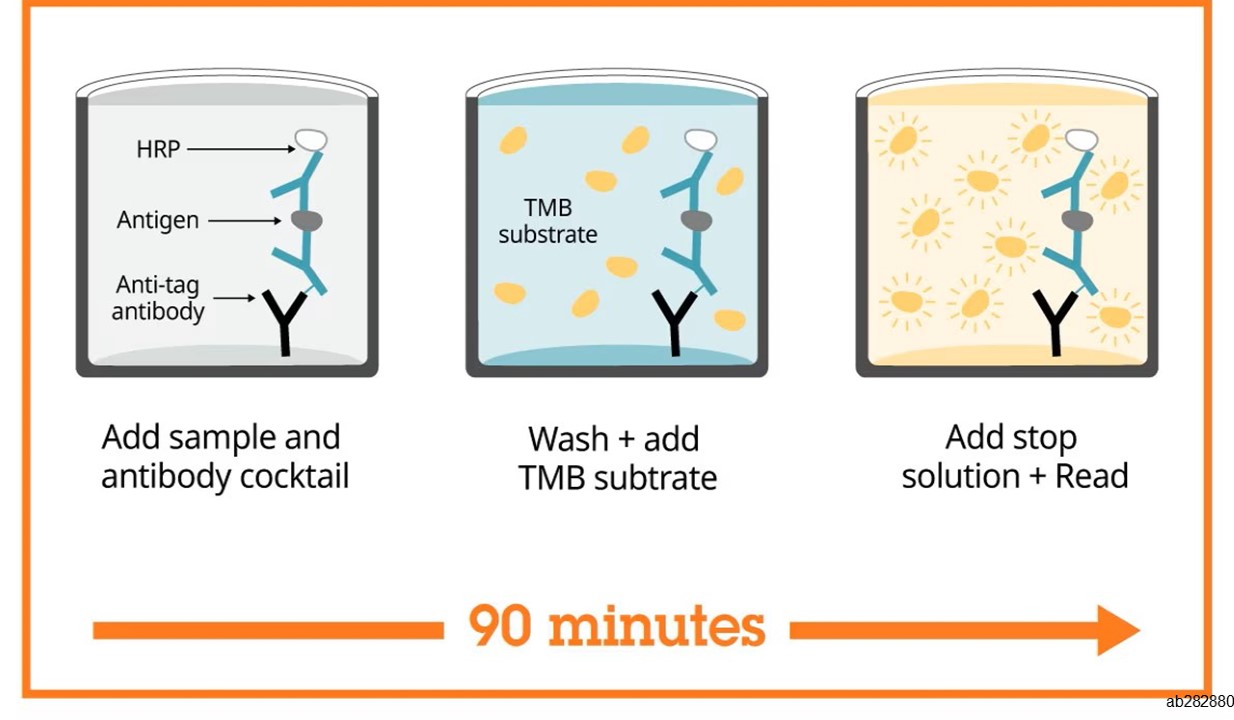
This conjugated primary antibody is released using a quantitative quality control method that evaluates binding affinity post-conjugation and efficiency of antibody labeling.
For suitable applications and species reactivity, please refer to the unconjugated version of this clone.

What are the advantages of a recombinant monoclonal antibody?
This product is a recombinant monoclonal antibody, which offers several advantages including:

  • - High batch-to-batch consistency and reproducibility
  • - Improved sensitivity and specificity
  • - Long-term security of supply
  • - Animal-free batch production

For more information, read more on recombinant antibodies.

특성 및 보관 정보

제형
Liquid
Purification 테크닉
Affinity purification Protein A
보관 버퍼
pH: 7.4 Preservative: 0.02% Sodium azide Constituents: PBS, 30% Glycerol (glycerin, glycerine), 1% BSA
배송 시 보관 조건
Blue Ice
적절한 단기 보관 기간
1-2 weeks
적절한 단기 보관 조건
+4°C
적절한 장기 보관 조건
-20°C
분주 정보
Upon delivery aliquot
보관 정보
Avoid freeze / thaw cycle|Store in the dark

추가 정보

This supplementary information is collated from multiple sources and compiled automatically.

TDP43 also known as TAR DNA-binding protein 43 is a protein of approximately 43 kDa. It plays a role in various cellular processes primarily by binding to DNA and RNA. Researchers find TDP43 expressed mainly in neuronal tissues but it is present in other cell types as well. Known for its involvement in regulating gene expression and mRNA stability TDP43 interacts with other proteins within the nuclear compartment. The full function and activities of TDP43 are still under exploration but its importance in normal cellular functions is well recognized.
Biological function summary

TDP43 acts as a regulator of RNA splicing and transcription by forming ribonucleoprotein complexes. The protein can bind to specific sequences in RNA helping in the proper processing and transport of mRNA. Furthermore TDP43 has a role in stress granule formation a cell response to stress. Researchers have identified that the protein undergoes various post-translational modifications which could influence its behavior and function within the cellular environment.

Pathways

Several important pathways include TDP43 due to its functions in RNA metabolism. This protein contributes to the spliceosomal cycle and other pathways involved in mRNA processing. TDP43 interacts with proteins such as FUS and hnRNP which are also involved in RNA splicing and are essential for maintaining mRNA integrity. These relations make TDP43 an important player in regulating gene expression and protein synthesis.

The association of TDP43 with neurodegenerative diseases is significant. Its abnormal aggregation is linked to amyotrophic lateral sclerosis (ALS) and frontotemporal lobar degeneration (FTLD). In these diseases TDP43 forms insoluble inclusions within neurons and glial cells. This mislocalization and aggregation can disrupt normal cellular function leading to cell death. In the context of ALS TDP43 often associates with proteins like SOD1 which are implicated in disease pathogenesis highlighting its role in neurodegeneration.

제품 프로토콜

For this product, it's our understanding that no specific protocols are required. You can visit:

타겟 정보

RNA-binding protein that is involved in various steps of RNA biogenesis and processing (PubMed : 23519609). Preferentially binds, via its two RNA recognition motifs RRM1 and RRM2, to GU-repeats on RNA molecules predominantly localized within long introns and in the 3'UTR of mRNAs (PubMed : 23519609, PubMed : 24240615, PubMed : 24464995). In turn, regulates the splicing of many non-coding and protein-coding RNAs including proteins involved in neuronal survival, as well as mRNAs that encode proteins relevant for neurodegenerative diseases (PubMed : 21358640, PubMed : 29438978). Plays a role in maintaining mitochondrial homeostasis by regulating the processing of mitochondrial transcripts (PubMed : 28794432). Also regulates mRNA stability by recruiting CNOT7/CAF1 deadenylase on mRNA 3'UTR leading to poly(A) tail deadenylation and thus shortening (PubMed : 30520513). In response to oxidative insult, associates with stalled ribosomes localized to stress granules (SGs) and contributes to cell survival (PubMed : 19765185, PubMed : 23398327). Also participates in the normal skeletal muscle formation and regeneration, forming cytoplasmic myo-granules and binding mRNAs that encode sarcomeric proteins (PubMed : 30464263). Plays a role in the maintenance of the circadian clock periodicity via stabilization of the CRY1 and CRY2 proteins in a FBXL3-dependent manner (PubMed : 27123980). Negatively regulates the expression of CDK6 (PubMed : 19760257). Regulates the expression of HDAC6, ATG7 and VCP in a PPIA/CYPA-dependent manner (PubMed : 25678563).
See full target information TARDBP

대체 명칭 보기

TDP43, TARDBP, TAR DNA-binding protein 43, TDP-43

Product promise

저희는 고품질 시약으로 고객님의 연구를 서포트하고자 최선을 다하고 있으며, 모든 단계에서 함께 하겠습니다. 만약 제품이 기대한 성능을 보이지 않을 경우에도 Product Promise로 보호받으실 수 있습니다.
자세한 내용은 이용 약관을 확인해 주세요.

Please note: All products are 'FOR RESEARCH USE ONLY. NOT FOR USE IN DIAGNOSTIC OR THERAPEUTIC PROCEDURES'.

For licensing inquiries, please contact partnerships@abcam.com