Anti-Nrf2 (phospho S40) antibody [EP1809Y] - BSA and Azide free
- RabMAb
- Recombinant
- 각 태그의 뜻
5
(1 리뷰)
|
(10 제품이 사용된 논문 )

- IHC-P
Unknown
Immunohistochemistry (Formalin/PFA-fixed paraffin-embedded sections) - Anti-Nrf2 (phospho S40) antibody [EP1809Y] - BSA and Azide free (AB180844)
Unpurified ab76026 showing positive staining in Ovarian carcinoma tissue.
This data was developed using the same antibody clone in a different buffer formulation containing PBS, BSA, glycerol, and sodium azide (ab76026).
Perform heat mediated antigen retrieval before commencing with IHC staining protocol.

- Flow Cyt (Intra)
Unknown
Flow Cytometry (Intracellular) - Anti-Nrf2 (phospho S40) antibody [EP1809Y] - BSA and Azide free (AB180844)
Overlay histogram showing Jurkat cells fixed in 4% PFA and stained with purified ab76026 at a dilution of 1 in 80 (red line). The secondary antibody used was FITC goat anti-rabbit at a dilution of 1 in 500. Rabbit monoclonal IgG was used as an isotype control (black line) and cells incubated in the absence of both primary and secondary antibody were used as a negative control (blue line). This data was developed using the same antibody clone in a different buffer formulation containing PBS, BSA, glycerol, and sodium azide (ab76026).

- IHC-P
Unknown
Immunohistochemistry (Formalin/PFA-fixed paraffin-embedded sections) - Anti-Nrf2 (phospho S40) antibody [EP1809Y] - BSA and Azide free (AB180844)
Immunohistochemical analysis of paraffin-embedded human breast carcinoma using unpurified ab76026 at 1/100 dilution. Perform heat mediated antigen retrieval before commencing with IHC staining protocol.
This data was developed using the same antibody clone in a different buffer formulation containing PBS, BSA, glycerol, and sodium azide (ab76026).

- IHC-P
Unknown
Immunohistochemistry (Formalin/PFA-fixed paraffin-embedded sections) - Anti-Nrf2 (phospho S40) antibody [EP1809Y] - BSA and Azide free (AB180844)
Immunohistochemical staining of paraffin embedded human breast carcinoma with purified ab76026 at a working dilution of 1/500. The secondary antibody used is HRP goat anti-rabbit IgG H&L (ab97051) at 1/500. The sample is counter-stained with hematoxylin. Antigen retrieval was perfomed using Tris-EDTA buffer, pH 9.0. PBS was used instead of the primary antibody as the negative control, and is shown in the inset.This data was developed using the same antibody clone in a different buffer formulation containing PBS, BSA, glycerol, and sodium azide (ab76026).

- IHC-P
Unknown
Immunohistochemistry (Formalin/PFA-fixed paraffin-embedded sections) - Anti-Nrf2 (phospho S40) antibody [EP1809Y] - BSA and Azide free (AB180844)
Unpurified ab76026 showing positive staining in Breast carcinoma tissue. Perform heat mediated antigen retrieval before commencing with IHC staining protocol.
This data was developed using the same antibody clone in a different buffer formulation containing PBS, BSA, glycerol, and sodium azide (ab76026).

- ICC/IF
Unknown
Immunocytochemistry/ Immunofluorescence - Anti-Nrf2 (phospho S40) antibody [EP1809Y] - BSA and Azide free (AB180844)
Immunofluorescence staining of HepG2 cells with purified ab76026 at a working dilution of 1/100, counter-stained with DAPI. The treated cells were treated with alkaline phosphatase for 1 h at 37°C. The secondary antibody was Alexa Fluor® 488 goat anti-rabbit (ab150077), used at a dilution of 1/1000. ab7291, a mouse anti-tubulin antibody (1/1000), was used to stain tubulin along with ab150120 (Alexa Fluor® 594 goat anti-mouse, 1/1000), shown in the top right hand panel. The cells were fixed in 4% PFA and permeabilized using 0.1% Triton X 100. The negative controls are shown in bottom middle and right hand panels - for negative control 1, purified ab76026 was used at a dilution of 1/500 followed by an Alexa Fluor® 594 goat anti-mouse antibody (ab150120) at a dilution of 1/500. For negative control 2, ab7291 (mouse anti-tubulin) was used at a dilution of 1/500 followed by an Alexa Fluor® 488 goat anti-rabbit antibody (ab150077) at a dilution of 1/400.
This data was developed using the same antibody clone in a different buffer formulation containing PBS, BSA, glycerol, and sodium azide (ab76026).

- IHC-P
Unknown
Immunohistochemistry (Formalin/PFA-fixed paraffin-embedded sections) - Anti-Nrf2 (phospho S40) antibody [EP1809Y] - BSA and Azide free (AB180844)
Unpurified ab76026 showing positive staining in Normal tonsil tissue.
This data was developed using the same antibody clone in a different buffer formulation containing PBS, BSA, glycerol, and sodium azide (ab76026).
Perform heat mediated antigen retrieval before commencing with IHC staining protocol.

- IHC-P
AbReview16248****
Immunohistochemistry (Formalin/PFA-fixed paraffin-embedded sections) - Anti-Nrf2 (phospho S40) antibody [EP1809Y] - BSA and Azide free (AB180844)
Unpurified ab76026 staining Nrf2 (phospho S40) in Human normal lung tissue sections by IHC-P (Formaldehyde-fixed paraffin-embedded sections). Tissue was fixed with formaldehyde and blocked with 1% casein for 30 minutes at 4°C. Antigen retrieval was by heat mediation. Samples were incubated with primary antibody (1/50) in 1% casein for 24 hours at 4°C. An undiluted HRP-conjugated Goat polyclonal to rabbit IgG was used as the secondary antibody.
This data was developed using the same antibody clone in a different buffer formulation containing PBS, BSA, glycerol, and sodium azide (ab76026).
This image is courtesy of an anonymous Abreview

- IHC-P
Unknown
Immunohistochemistry (Formalin/PFA-fixed paraffin-embedded sections) - Anti-Nrf2 (phospho S40) antibody [EP1809Y] - BSA and Azide free (AB180844)
Unpurified ab76026 showing positive staining in Cervical carcinoma tissue. Perform heat mediated antigen retrieval before commencing with IHC staining protocol.
This data was developed using the same antibody clone in a different buffer formulation containing PBS, BSA, glycerol, and sodium azide (ab76026).

- Dot
Unknown
Dot Blot - Anti-Nrf2 (phospho S40) antibody [EP1809Y] - BSA and Azide free (AB180844)
Dot blot analysis of Nrf2 peptides using unpurified ab76026 at 1/1000 dilution followed by Goat Anti-Rabbit IgG, (H+L),Peroxidase conjugated secondary antibody at 1/1000 dilution. Blocking and diluting buffer was 5% NFDM/TBST.
Lane 1 : Nrf2 (pS40) phospho peptide
Lane 2 : Nrf2 non-phospho peptide
This data was developed using the same antibody clone in a different buffer formulation containing PBS, BSA, glycerol, and sodium azide (ab76026).
관련 conjugated 항체와 다양한 조성의 항체 (8)
-
Anti-Nrf2 (phospho S40) antibody [EP1809Y]
-
660 APC
APC Anti-Nrf2 (phospho S40) antibody [EP1809Y]
-
519 Alexa Fluor® 488
Alexa Fluor® 488 Anti-Nrf2 (phospho S40) antibody [EP1809Y]
-
565 Alexa Fluor® 555
Alexa Fluor® 555 Anti-Nrf2 (phospho S40) antibody [EP1809Y]
-
617 Alexa Fluor® 594
Alexa Fluor® 594 Anti-Nrf2 (phospho S40) antibody [EP1809Y]
-
665 Alexa Fluor® 647
Alexa Fluor® 647 Anti-Nrf2 (phospho S40) antibody [EP1809Y]
-
775 Alexa Fluor® 750
Alexa Fluor® 750 Anti-Nrf2 (phospho S40) antibody [EP1809Y]
-
578 PE
PE Anti-Nrf2 (phospho S40) antibody [EP1809Y]
대체품


Primary Antibodies
AB180845
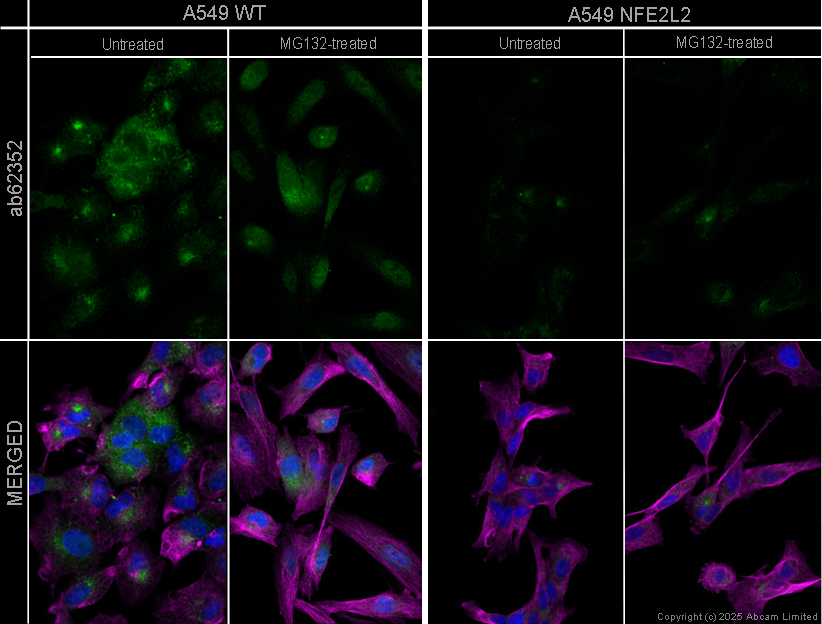
Anti-Nrf2 antibody [EP1808Y] - BSA and Azide free
RabMAb|Recombinant|KO Validated
- 0
- 0
Primary Antibodies
AB62352
20ul selling size|RabMAb|Recombinant|KO Validated

- 4
- 34
보완 제품
Primary Antibodies
AB62352
20ul selling size|RabMAb|Recombinant|KO Validated
- 4
- 34
Primary Antibodies
AB125066
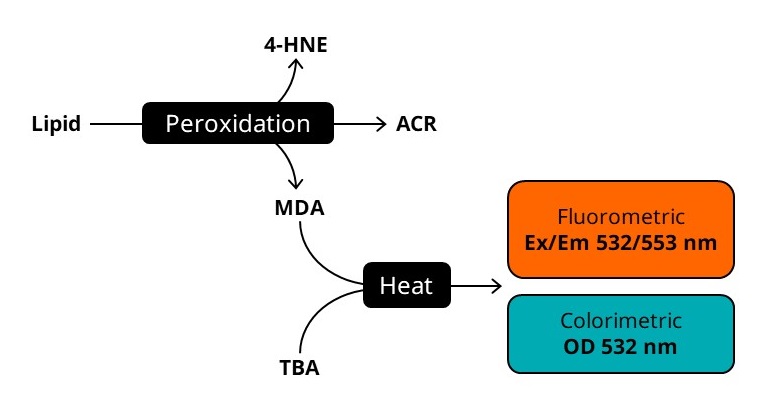
Anti-Glutathione Peroxidase 4 antibody [EPNCIR144]
BOND RX™ Validated|KO Validated|RabMAb|Recombinant|Lab Essentials

- 5
- 13
Primary Antibodies
AB189491
Anti-Heme Oxygenase 1 antibody [EPR18161-128]
20ul selling size|RabMAb|Recombinant|KO Validated

- 5
- 3
Primary Antibodies
AB68155
Anti-SOD2/MnSOD antibody [EPR2560Y]
RabMAb|Recombinant|KO Validated|20ul selling size

- 5
- 2
Reactivity 정보
제품 세부 정보
ab180844 is the carrier-free version of ab76026.
Patented technology
Our RabMAb® technology is a patented hybridoma-based technology for making rabbit monoclonal antibodies. For details on our patents, please refer to RabMAb® patents.
What are the advantages of a recombinant monoclonal antibody?
This product is a recombinant monoclonal antibody, which offers several advantages including:
- - High batch-to-batch consistency and reproducibility
- - Improved sensitivity and specificity
- - Long-term security of supply
- - Animal-free batch production
For more information, read more on recombinant antibodies.
Conjugation ready
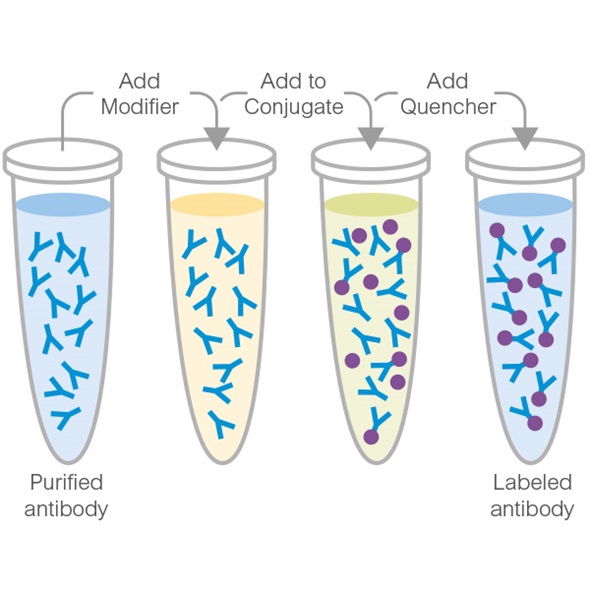
Our carrier-free antibodies are typically supplied in a PBS-only formulation, purified and free of BSA, sodium azide and glycerol. This conjugation-ready format is designed for use with fluorochromes, metal isotopes, oligonucleotides, and enzymes, which makes them ideal for antibody labelling, functional and cell-based assays, flow-based assays (e.g. mass cytometry) and Multiplex Imaging applications.
Use our conjugation kits for antibody conjugates that are ready-to-use in as little as 20 minutes with 1 minute hands-on-time and 100% antibody recovery: available for fluorescent dyes, HRP, biotin and gold.
Compatibility
This product is compatible with the Maxpar® Antibody Labeling Kit from Fluidigm, without the need for antibody preparation. Maxpar® is a trademark of Fluidigm Canada Inc.
특성 및 보관 정보
제형
Purification 테크닉
보관 버퍼
배송 시 보관 조건
적절한 단기 보관 조건
적절한 장기 보관 조건
보관 정보
추가 정보
This supplementary information is collated from multiple sources and compiled automatically.
Biological function summary
Nrf2 acts as an important regulator of the cellular antioxidant response. It works in conjunction with its partner protein Keap1 forming a complex that controls its stability and degradation. Under normal conditions Keap1 keeps Nrf2 in the cytoplasm where it is targeted for ubiquitination and degradation. Once activated by oxidative stress or electrophiles Nrf2 dissociates from Keap1 thereby avoiding degradation and relocates to the nucleus to activate the transcription of ARE-dependent genes. This activity boosts the cellular response to oxidative stress by inducing genes involved in detoxification and cellular defense.
Pathways
Nrf2 plays a significant role in the oxidative stress response and detoxification pathways. Nrf2 activation is linked closely to the PI3K/Akt signaling pathway which influences cell survival growth and metabolism. This pathway also interacts with other important proteins like GSK-3β which can modulate Nrf2 activity and stability. Through these pathways Nrf2 orchestrates a defense mechanism against reactive oxygen species (ROS) by boosting the expression of antioxidant enzymes and detoxifying proteins.
제품 프로토콜
- Visit the General protocols
- Visit the Troubleshooting
타겟 정보
대체 명칭 보기
제품이 사용된 논문 (10)
Recent publications for all applications. Explore the 전체 목록 and refine your search
Redox biology 72:103131 PubMed38555711
2024
Applications
Unspecified application
Species
Unspecified reactive species
eLife 11: PubMed35507395
2022
Applications
Unspecified application
Species
Unspecified reactive species
Regenerative therapy 14:177-183 PubMed32128354
2020
Applications
Unspecified application
Species
Unspecified reactive species
PloS one 8:e63404 PubMed23667609
2013
Applications
IHC-P
Species
Human
Life sciences 90:1027-33 PubMed22683429
2012
Applications
WB
Species
Mouse
PloS one 7:e35122 PubMed22558124
2012
Applications
WB
Species
Unspecified reactive species
Human molecular genetics 21:3013-24 PubMed22492997
2012
Applications
Unspecified application
Species
Unspecified reactive species
International journal of molecular sciences 12:8878-94 PubMed22272109
2011
Applications
WB
Species
Human
Journal of biomolecular screening 16:405-14 PubMed21364087
2011
Applications
WB
Species
Unspecified reactive species
Journal of cell science 122:4452-64 PubMed19920073
2009
Applications
WB
Species
Mouse
Product promise
Please note: All products are 'FOR RESEARCH USE ONLY. NOT FOR USE IN DIAGNOSTIC OR THERAPEUTIC PROCEDURES'.
For licensing inquiries, please contact partnerships@abcam.com