Rabbit Polyclonal Paxillin antibody. C-terminal. Suitable for IHC-P, ICC, WB, IHC-Fr, Flow Cyt and reacts with Human, Mouse, Rat samples. Cited in 2 publications. Immunogen corresponding to Synthetic Peptide within Human Paxillin aa 450-500.
대체 명칭 보기
Paxillin, PXN
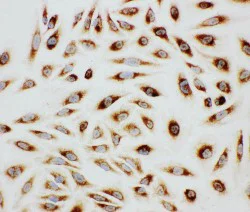
- ICC
Supplier Data
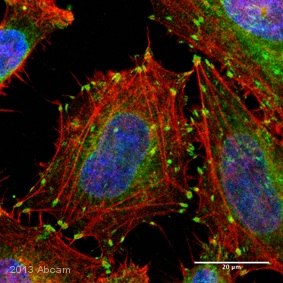
Immunocytochemistry - Anti-Paxillin antibody - C-terminal (AB191007)
Immunocytochemical analysis of HeLa cells, labeling Paxillin with ab191007 at 1 μg/ml.
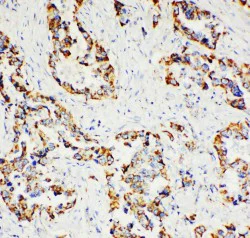
- IHC-P
Supplier Data
Immunohistochemistry (Formalin/PFA-fixed paraffin-embedded sections) - Anti-Paxillin antibody - C-terminal (AB191007)
Immunohistochemical analysis of paraffin-embedded Human lung cancer tissue, labeling Paxillin with ab191007 at 1 μg/ml.
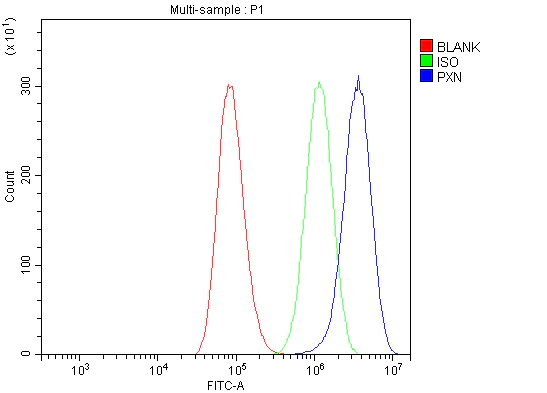
- Flow Cyt
Supplier Data
Flow Cytometry - Anti-Paxillin antibody - C-terminal (AB191007)
Overlay histogram showing A549 cells stained with PA1804 (Blue line).The cells were blocked with 10% normal goat serum. And then incubated with ab191007 1µg/1x10^6 cells for 30 min at 20°C. DyLight®488 conjugated goat anti-rabbit IgG 5-10µg/1x10^6 cells was used as secondary antibody for 30 minutes at 20°C. Isotype control antibody (Green line) was rabbit IgG (1µg/1x10^6) used under the same conditions. Unlabelled sample (Red line) was also used as a control.
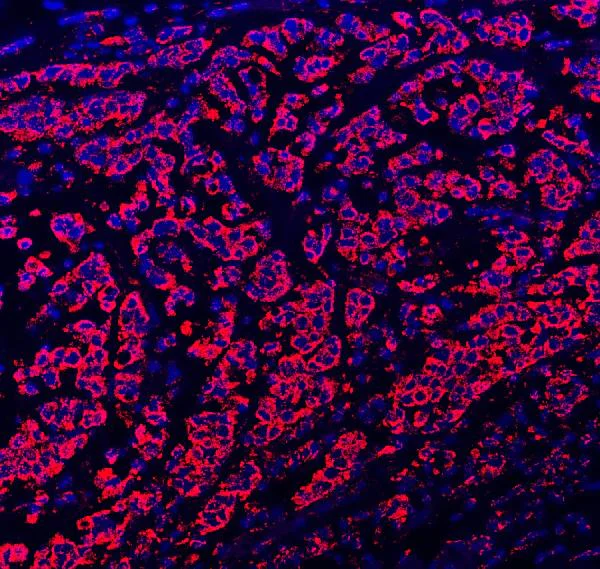
- ICC
Supplier Data
Immunocytochemistry - Anti-Paxillin antibody - C-terminal (AB191007)
PXN was detected in a paraffin-embedded section of human breast cancer tissue. Heat mediated antigen retrieval was performed in EDTA buffer (pH 8.0, epitope retrieval solution). The tissue section was blocked with 10% goat serum. The tissue section was then incubated with 5 µg/mL ab191007 overnight at 4°C. Biotin conjugated goat anti-rabbit IgG was used as secondary antibody and incubated for 30 minutes at 37°C. The tissue section was developed using Cy3 Conjugated Avidin. The section was counterstained with DAPI.
- ICC
Supplier Data
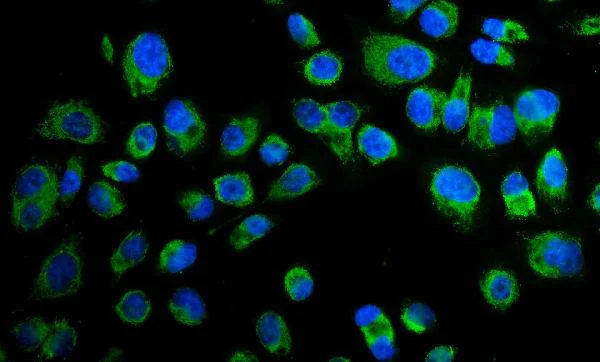
Immunocytochemistry - Anti-Paxillin antibody - C-terminal (AB191007)
PXN was detected in immunocytochemical section of PC-3 cells. Enzyme antigen retrieval was performed using IHC enzyme antigen retrieval reagent for 15 mins. The cells were blocked with 10% goat serum. And then incubated with 5µg/mL ab191007 overnight at 4°C. DyLight®488 Conjugated Goat Anti-Rabbit IgG was used as secondary antibody at 1/100 dilution and incubated for 30 minutes at 37°C. The section was counterstained with DAPI.
- IHC-Fr
Supplier Data
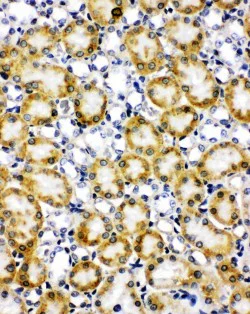
Immunohistochemistry (Frozen sections) - Anti-Paxillin antibody - C-terminal (AB191007)
Immunohistochemical analysis of frozen rat kidney tissue, labeling Paxillin with ab191007 at 1 μg/ml.
- WB
Supplier Data
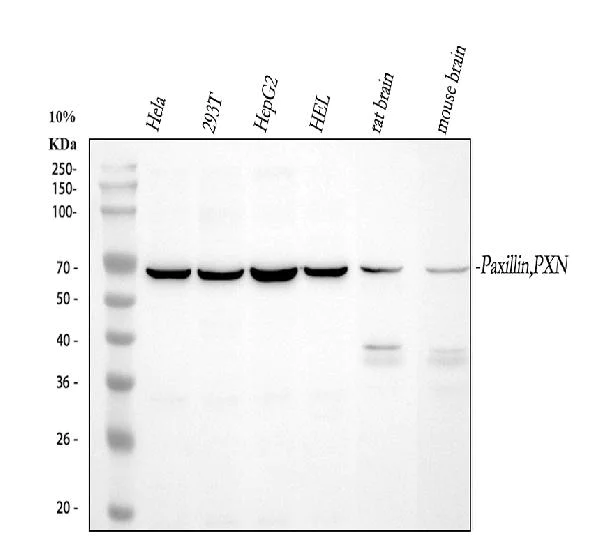
Western blot - Anti-Paxillin antibody - C-terminal (AB191007)
Electrophoresis was performed on a 5-20% SDS-PAGE gel at 70V (Stacking gel) / 90V (Resolving gel) for 2-3 hours. After electrophoresis, proteins were transferred to a nitrocellulose membrane at 150 mA for 50-90 minutes. Blocked the membrane with 5% non-fat milk/TBS for 1.5 hour at RT. The membrane was incubated with ab191007at 0.5 µg/mL overnight at 4°C, then washed with TBS-0.1% Tween 3 times with 5 minutes each and probed with a goat anti-rabbit IgG-HRP secondary antibody at a dilution of 1/5000 for 1.5 hour at RT. The signal is developed using an Enhanced Chemiluminescent detection (ECL) kit with Tanon 5200 system. A specific band was detected for PXN at approximately 65 kDa. The expected band size for PXN is at 65 kDa.
All lanes:
Western blot - Anti-Paxillin antibody - C-terminal (ab191007) at 0.5 µg/mL
Lane 1:
human Hela whole cell lysates, at 30 µg
Lane 2:
human 293T whole cell lysates, at 30 µg
Lane 3:
human HepG2 whole cell lysates, at 30 µg
Lane 4:
human HEL whole cell lysates, at 30 µg
Lane 5:
rat brain tissue lysates, at 30 µg
Lane 6:
mouse brain tissue lysates. at 30 µg
Secondary
All lanes:
goat anti-rabbit IgG-HRP at 1/5000 dilution
true
대체품
Primary Antibodies
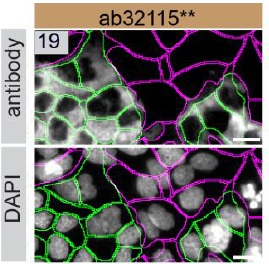
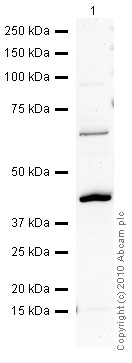
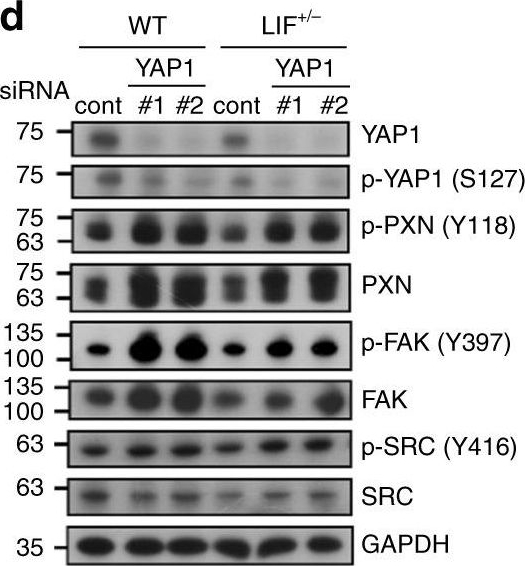
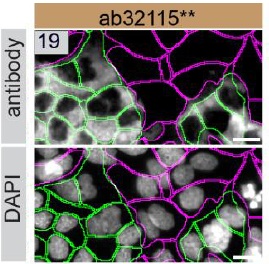
AB32115
20ul selling size|RabMAb|Recombinant|KO Validated
- 0
- 0
Primary Antibodies
AB216652
Anti-Paxillin antibody [Y113] - BSA and Azide free
BOND RX™ Validated|RabMAb|Recombinant|KO Validated
- 0
- 0
Primary Antibodies
AB238950
Anti-Paxillin antibody [E228] - BSA and Azide free
RabMAb|Recombinant|KO Validated
- 0
- 0
Primary Antibodies
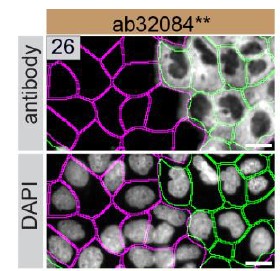
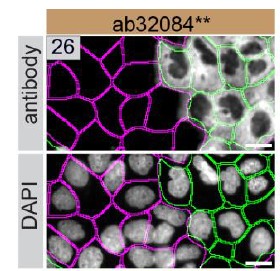
AB32084
BOND RX™ Validated|RabMAb|Recombinant|KO Validated|20ul selling size
- 5
- 21
보완 제품
Primary Antibodies
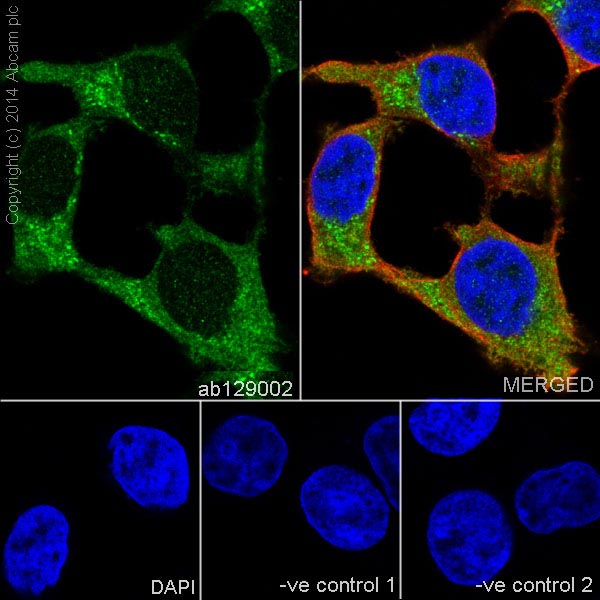
AB129002
Anti-Vinculin antibody [EPR8185] - Loading Control
20ul selling size|RabMAb|Recombinant|KO Validated
- 5
- 21
Primary Antibodies
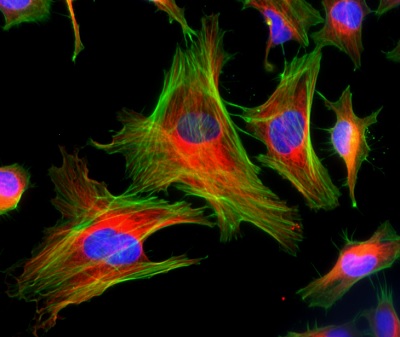
AB115777
Anti-beta Actin antibody [SP124] - Cytoskeleton Marker
20ul selling size|RabMAb|Lab Essentials|Recombinant
- 4
- 1
Reactivity 정보
특성 및 보관 정보
제형
Purification 테크닉
보관 버퍼
배송 시 보관 조건
적절한 단기 보관 기간
적절한 단기 보관 조건
적절한 장기 보관 조건
분주 정보
보관 정보
추가 정보
This supplementary information is collated from multiple sources and compiled automatically.
Biological function summary
Paxillin serves key functions in cellular processes such as migration proliferation and survival. It interacts with different proteins including vinculin and talin forming part of a complex at the focal adhesion sites. The phosphorylation state of Paxillin can modulate its interactions and in this way influence the assembly of signaling complexes that control dynamic cellular processes.
Pathways
Paxillin participates in the integrin signaling and MAPK pathways. It operates by linking integrin receptors to the actin cytoskeleton facilitating signal transduction. Paxillin phosphorylation is an important regulatory mechanism within these pathways. In particular its interaction with focal adhesion kinase (FAK) and Src family kinases signifies its role in transmitting signals from the extracellular matrix to the cellular interior which impacts cell behavior and response.
제품 프로토콜
- Visit the General protocols
- Visit the Troubleshooting
타겟 정보
제품이 사용된 논문 (2)
Recent publications for all applications. Explore the 전체 목록 and refine your search
Journal of biochemical and molecular toxicology 36:e23204 PubMed36056781
2022
Applications
Unspecified application
Species
Unspecified reactive species
Bioengineering & translational medicine 6:e10233 PubMed34589605
2021
Applications
Unspecified application
Species
Unspecified reactive species
Product promise
Please note: All products are 'FOR RESEARCH USE ONLY. NOT FOR USE IN DIAGNOSTIC OR THERAPEUTIC PROCEDURES'.
For licensing inquiries, please contact partnerships@abcam.com